

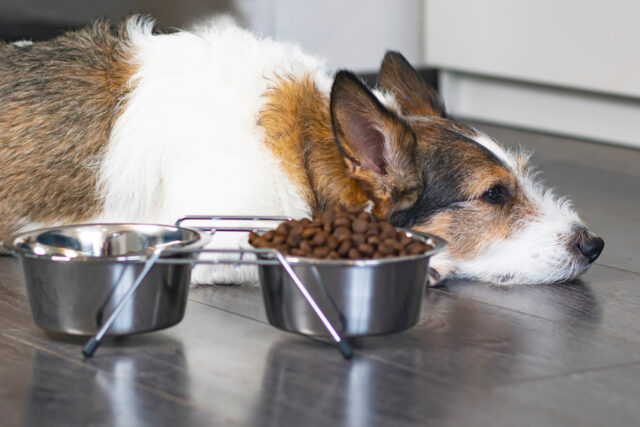
Your dog may be eating enthusiastically every day, but that doesn't always mean they're healthy!
As in humans, diet plays a major role in a dog's overall health. Proper nutrition supports their energy, immune system, skin, and coat health, and even their lifespan.
When a dog's diet is imbalanced and lacks the key nutrients their bodies need, it can lead to digestive issues, a weakened immune system, and chronic health problems caused by nutritional deficiencies.
In this guide, we'll talk about the telltale signs your dog's diet is causing health problems and what you can do about it.
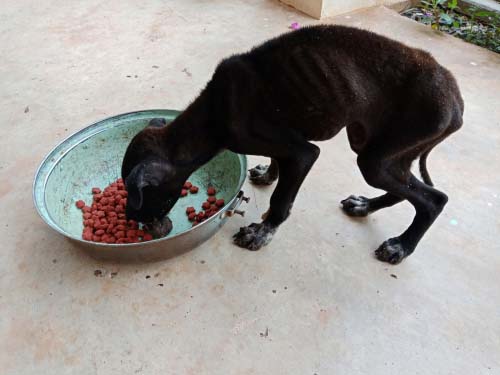
What Causes Diet-Related Health Problems in Dogs?
Our dog's diet matters more than we think. It's not only about how much or how often our dogs eat, but also about what they actually put into their bodies.
Common reasons why a dog's diet is causing health problems are:
1. Low-Quality Dog Food
Low-quality dog food typically contains fillers, such as corn and wheat, that can trigger skin allergies, as well as harmful preservatives that can do more harm than good to dogs. They often lack high-quality protein and ingredients that can result in obesity, organ stress, dull coats, poor immunity, and, in some cases, cancer.
Low-quality dog food does not only pertain to commercial kibble or canned wet food; it can also refer to homemade dog food that was not properly prepared, without guidance from experts.
RELATED: 8 Homemade Dog Food Dangers You Need to Look Out For
2. Sudden Diet Changes
Switching a dog's diet suddenly without a proper transition can trigger digestive upset, including vomiting, diarrhea, and/or decreased appetite.
When a dog's gut becomes accustomed to certain ingredients and then changes, their body can react by refusing to break down new proteins and carbohydrates efficiently, which can result in severe stomachaches, bloating, and refusal to eat.
RELATED: TOP #103: How to Transition Dogs to a New Diet
3. Unbalanced Homemade Diets
When preparing your dog's meals at home, it's easy to overlook the key vitamins and minerals their bodies need to thrive and stay healthy.
The biggest danger of making homemade meals is nutrient deficiency, which is why it's important to consult your dog's veterinarian before switching to homemade meals, because they know best what your individual dog needs nutrition- and health-wise.
Adding food supplements, such as probiotics, fish oil, antioxidants, and glucosamine, can be the easiest way to go about it, but again, you shouldn't do it without your vet's go-ahead signal.
RELATED: My 6 Essential Tips for Making Homemade Dog Food
4. Food Allergies or Intolerances
Food allergies or intolerances in dogs are more common than most think, and unfortunately, there's nothing we dog owners can do but avoid giving our dogs whatever triggers the reaction.
An allergy happens when a dog's body mistakenly identifies a common food ingredient as harmful and overreacts to protect itself. The common causes are beef, chicken, and eggs—yes, the common ingredients in dog food.
Intolerances, on the other hand, can be temporary and less severe, typically involving only the digestive system and can resolve over time with enough exposure. An example is lactose intolerance.
RELATED: Ask a Vet: Is Grain-Free Food Bad for Dogs?
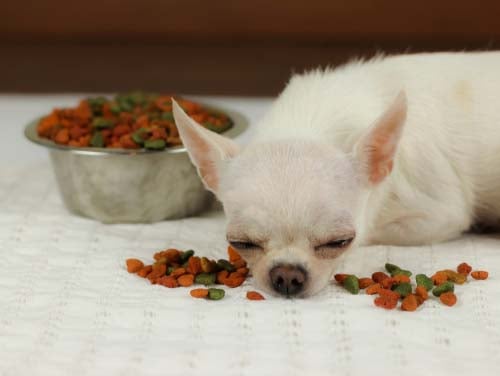
11 Common Signs Your Dog’s Diet Is Causing Health Problems
Dogs can't tell us when something feels wrong to them, but we can observe the warning signs their bodies show!
1. Frequent Digestive Problems
Signs and symptoms that your dog has digestive problems are:
- Diarrhea or constipation
- Changes in color, texture, and frequency of stool
- Vomiting
- Excessive gas
- Bloating or abdominal distention
- Abdominal pain
This could be caused by a food intolerance or poor-quality ingredients.
2. Dull Coat and Skin Issues
Did you know that about 35% of a dog's daily protein intake goes to skin renewal?
This is why a poor diet for a dog can cause health problems, specifically affecting their skin and coat.
Signs to watch for are:
- Dry, flaky skin
- Dull and greasy coat
- Excessive shedding (outside of the shedding season)
- Brittle, thinning fur or hair loss
- Chronic itching
- Chronic skin infection
Dull coat and skin issues are typically linked to a lack of protein and essential fatty acids, and to a diet that is not high-quality or nutrient-dense, which promotes a shiny coat and healthy skin in dogs.
RELATED: TOP #71: How Diet Affects Your Dog's Skin and Coat
3. Low Energy or Lethargy
As a poor diet may fail to provide enough nutrients for a dog to create, store, and use energy, you may notice your dog is extra lethargic and low-spirited.
They may seem tired or less playful, due to fluctuations in their blood sugar or chronic fatigue from nutrient deficiencies.
4. Weight Gain or Weight Loss
Sudden or unexplained changes in your dog's weight may also be caused by an imbalanced and improper meal. Too many calories can increase the risk of obesity; too few nutrients can cause weight loss.
Apart from that, how much your dog eats is just as important as what they eat. Proper food portioning is also important for maintaining your dog's ideal weight.
Learn how much dog food to give your dog from our guides linked below:
 5. Constant Itching or Allergies

This is one of the common signs that your dog has food sensitivities caused by poor diet quality. This adverse food reaction can be due to the immune system overreacting to specific ingredients in low-quality dog food.
If you see your dog constantly scratching or licking their paws, this could be a clear indicator that their diet is causing health problems and can be resolved through a veterinarian-guided elimination diet.
6. Behavioral Changes
Nutrient deficiencies will not only cause noticeable physical changes in your dog but also behavioral changes, as they interfere with brain function.
Some examples are:
- Hyperactive
- Anxiety
- Irritability, sometimes aggression
- Poor focus
- Pica (eating non-food items, such as furniture, shoes, or even poop)
- Food guarding from other dogs, or food begging
Low-quality ingredients, excessive carbohydrates, and a lack of essential nutrients, such as B-complex vitamins and omega-3 fatty acids, can impair a dog's cognitive function and mood regulation.
7. Poor Muscle Condition
It will be quite obvious in your dog's muscles whether they're getting good and adequate nutrients from their diet.
If not, you'll see muscle loss and weakness, and prominent bones around your dog's body.
Dogs need high-quality protein, amino acids, and healthy fats, along with exercise and rest, to build strong muscles.
RELATED: Muscle Builder for Dogs: What It Is and How to Use It
8. Weak Immune System
If your dog suffers from frequent infections and slow healing, these may be signs of their weakened immune system. And one factor that weakens the immune system is poor nutrition.
70% to 90% of a dog's immune system is located in the gut. Giving them low-quality food deprives them of essential nutrients they need to build immune cells, which can affect their body's ability to fight pathogens, leading to frequent illnesses and chronic diseases.
 9. Subtle Changes in Stool or Appetite

Any subtle changes in your dog's stool appearance can indicate a poor diet, especially if you notice pale, greasy stool (steatorrhea).
It is often caused by malabsorption due to high-fat, low-protein diets, in which the stool may appear larger, fatty, and foul-smelling.
The frequency can also be an indicator of a poor diet; how often (diarrhea) or how little (constipation) they poop can indicate a poor diet.
There will also be significant changes in your dog's appetite. They could become picky eaters or insatiable dogs in an attempt to compensate for a lack of nutrients.
10. Bad Breath or Excessive Gas
Halitosis (bad breath) and excessive gas (flatulence) can also result from eating low-quality foods and nutrient imbalances.
When food is not properly digested or broken down in the small intestine, this can lead to bacterial fermentation in the colon, causing gas buildup and a bad smell through the mouth.
RELATED: Why Does My Dog Smell Bad? 12 Possible Reasons
11. Brittle Nails or Slow Growth
Deficiencies in high-quality protein, omega-3 fatty acids, zinc, and biotin can also cause a dog's nails to be brittle and weak. These are essential nutrients needed for keratin production, which makes up 90% of a nail.

How to Fix Your Dog’s Diet Safely
Choose High-Quality, Balanced Nutrition
As much as possible, choose dog foods that list real meat as the first ingredient, contain no artificial preservatives, and are formulated for the dog's life stage, breed, and activity level.
A balanced diet provides essential proteins, fats, carbohydrates, vitamins, and minerals as verified by AAFCO guidelines.
Switch Foods Gradually
When switching your dog to a different diet, do so gradually rather than suddenly. Sudden changes in their diet can cause stomach issues, but a gradual transition gives their bodies time to adjust to new ingredients.
Ideally, the switch should last for 7 days. Introduce a quarter of the new food, mixed with the old, on the first and second days. Increase that to half by the 3rd and 4th days, then to 75% by the 5th and 6th days. By the 7th day, they should be able to eat the new food with no problems.
If on any of those days you notice stomach upset, vomiting, diarrhea, or similar symptoms, stop the new diet until your dog's stomach settles, then try again.
RELATED: How to Switch Dog Food Gradually
Consult Your Veterinarian
Always work with your veterinarian to provide the best possible dog food options for your pup, whether that means recommendations on brands and formulations or homemade recipes.
While doing your own research can educate you and give you more ideas about how to take care of dogs in general, your veterinarian knows the exact individual needs your dog requires.
Consult your vet, especially if there are ongoing symptoms you need to monitor and treat.
RELATED: Online Pet Nutritionist: Should I Consult With One?
Monitor Your Dog’s Response
Always keep an eye out for any signs of trouble in your dog. Regardless of whether they're on their old diet or have well adjusted to a new one, any changes in their energy, stool quality, and coat condition should always be noted and, if possible, reported to the veterinarian.
FAQs About Dog Diet and Health
How long does it take to see improvement after changing my dog’s diet?
Some changes, like firmer stool or less gas, can show up in just a few days after switching your dog’s food.
However, bigger improvements, such as healthier skin, a shinier coat, and better energy, usually take a few weeks.
Most veterinarians note that it can take about 3 to 4 weeks or longer to see clear results, especially if your dog has nutrient deficiencies or sensitivities.
Can a bad diet cause long-term health problems?
Yes, feeding your dog a poor or unbalanced diet over time can lead to serious health issues, which may include obesity, weak immune function, poor growth, and chronic diseases.
Dogs need a balanced diet of nutrients daily, and missing them for long periods can affect their overall health and lifespan.
Are homemade diets safe for dogs?
Homemade diets can be safe, but only if they are properly balanced with the right nutrients. Many homemade meals lack essential vitamins and minerals when not carefully planned.
That’s why veterinarians recommend working with a veterinary nutritionist to make sure your dog gets everything they need. Without expert guidance, homemade diets can do more harm than good over time.
When should I see a vet about my dog's diet?
You should see a veterinarian if your dog’s symptoms last more than a few days or worsen. Warning signs include ongoing vomiting, diarrhea, weight loss, severe itching, or low energy.
These symptoms may indicate a deeper health issue that requires proper diagnosis and treatment. Early care can help prevent more serious problems later on.
Is Your Dog's Diet Causing Health Problems? Before You Go…
Our dog's diet matters more than some may realize. It can set them up for happy, healthy days ahead, or it can cause them lifelong diseases that can affect their quality of life.
Always evaluate if your dog's diet is causing health problems. Make sure to watch for early warning signs, make informed diet choices, and seek professional advice when necessary.
Want to learn more about dog health and nutrition? Check out our recommended articles below!