

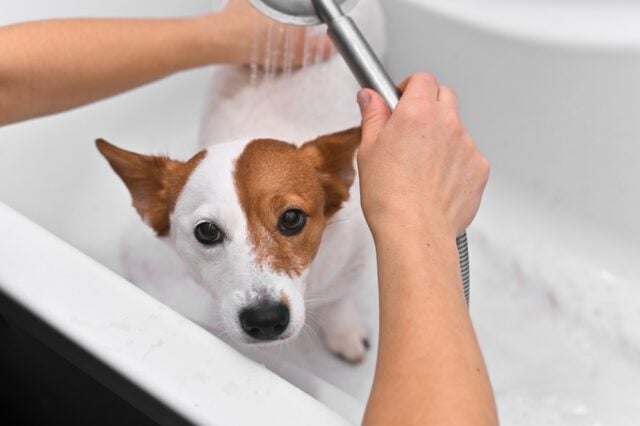
KEY TAKEAWAYS: To bathe a dog that hates water, first, choose the best location, whether outdoors or in the sink. Brush their coat first to calm them and shorten bath time. Avoid spraying your dog's face; use a wet cloth or wipes, if necessary. Reward their good behavior with treats, and stick to a bath routine to reduce your dog's anxiety.
For some pet parents, bath time can feel more like a wrestling match when a dog hates water.
While some dog breeds love water, others fear it and will do anything to avoid it.
Dogs can't go without a bath forever, but you can't force a scared dog either. Forcing may only increase their stress, making future baths much harder.
So, what's a dog owner got to do?
The good news is that with enough patience and the right approach, bath time can become much less stressful for both dogs and owners!
How? Follow the tips in this guide to learn how to bathe a dog that hates water.
RELATED: How to Bathe a Dog at Home for the First Time
Why Some Dogs Hate Water
Retrievers and spaniels love water, as their breeds were originally bred for it.
While breed may play a role in how a dog behaves in certain environments, it's mostly past experience that makes a dog fear water and any environment associated with it.
Adopted puppies bathing for the first time may exhibit apprehension as they experience new sensations. For them, the water may feel too cold or too hot, or the floor may be too slippery.
Rescue dogs also tend to hate water, especially if they have not been introduced to baths early. Negative experiences in or around water in the past may also drive their strong reaction to bath time.
Dogs have the potential to retain complex memories. Forcing them in the bath may trigger fear due to memories of rough handling or the hot/cold water.
Reverberating noises in bathrooms may also make them feel unsafe, especially running water, a squeaky faucet, or loud voices.

How to Bathe a Dog That Hates Water
1. Choose the Right Location
If you tried and failed to bathe your dog in the bathroom before, consider other areas of the house to do the deed.
Small dogs may do better in a sink, while larger dogs may feel calmer outdoors. You can set up a portable dog bath or a dog pool to make grooming your dog easier and to minimize the mess.
For some dogs, being in an enclosed space may trigger their fight-or-flight response, so choosing an open area may be the better option.
2. Gather Your Dog's Bath Supplies
Once you have decided on a location, prepare everything you need to bathe your dog. The essentials are:
- Dog shampoo
- Towels
- Brush
- Non-slip mat for the bathroom and the tub
- Treats for rewards
Place these nearby so you can reach them easily while trying to calm your dog.
 3. Brush the Coat Before Bathing

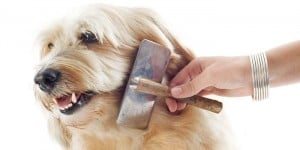
Brushing a dog's coat before bathing is a good practice that all dog owners should do. Removing tangles and loose fur before getting the coat wet will make bathing them faster and less stressful.
Getting matted fur wet may also tighten it further, making it impossible to detangle after drying and prompting you to cut instead.
The brushing part may also help soothe your dog before the main event of getting them near water.
4. Start Slowly and Stay Calm
Once done with the pre-bath rituals, you can start guiding your dog to the water. It's important that you do this slowly and calmly.
Let your dog sniff the tub and the supplies first. Encouraging them with calm voices and slow movements may also help reduce their stress.
Creating positive associations with the tub or where you will bathe them may also help, but this has to be done well before the bathing part.
Both you and your dog can practice standing in the tub without water first. Let them walk away when they feel like it, and give them treats and praises afterward.
Sooner or later, this will help them associate bathtimes only with the good stuff.
RELATED: How To Give A Dog A Bath
5. Use Lukewarm Water
Water that is too hot or too cold can make dogs uncomfortable.
Dogs have sensitive skin and a more complex body temperature regulation that can cause discomfort, physical distress, or even harm in extreme temperatures.
A good guide for pet owners is to test the water on your own forearm. The water should feel comfortable, not hot or cold, just enough to bathe a baby.
If you think a baby feels comfortable in it, so will your dog.
6. Avoid Spraying the Face Directly
Once you've successfully bathed your dog, it's important to maintain a calm, soothing demeanor.
Do not spray them with water. This will be counterproductive to your success in getting them in the water. They may also perceive the spraying as a punishment, which can increase their anxiety and create a negative association with bath time.
Instead of using the showerhead or a hose, use a cup or your hand to scoop water and gently run it over their body. You can also use a damp cloth to clean your dog's eyes and ears to avoid overwhelming them.
 7. Reward Good Behavior

Give them praises and treats during and after the bath to reinforce their positive experience.
You can use special, high-value treats reserved only for bath time. It could be a chunk of chicken, cheese, or peanut butter—anything that helps them look forward to water and bathing rather than dread them.
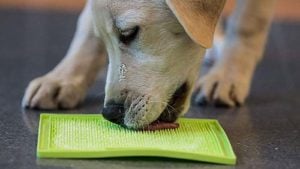
Dog groomers also swear by using lick mats smeared with dog-safe peanut butter or any spreadable treats while bathing dogs that hate water. This trick will help distract a fearful dog.
8. Keep Baths Short and Stick to a Routine
Quick baths are important not only for protecting your dog's skin and coat health but also for helping reduce their stress.
A consistent grooming routine, including brushing the coat and teeth, bathing, and trimming nails and fur, should be practiced to help an anxious dog feel more comfortable.
RELATED: 4 Good Reasons Why Your Dog Needs a Routine

Bathing a Dog That Hates Water? Avoid These Mistakes!
1. Do Not Force a Frightened Dog
A dog that hates water will either escape or, worse, become aggressive when forced to bathe. It is important NOT to force a frightened dog, as forcing will only increase their fear and aggression.
If they escape or resist, let them. Then wait for a moment of stillness or calm before coaxing them back into the tub. This may take a while, but your patience will go a long way in making them feel safe and comfortable.
2. Do Not Use Human Shampoo
Only use the appropriate products when bathing your dog. That means no human shampoo or conditioners, human soaps, or even dishwashing liquid (unfortunately, some use these!)
Products not intended for pets or dogs can irritate their skin and harm their overall health if they contain toxic ingredients.
3. Avoid Getting Water in the Ears
Dogs that hate water will try to shake and avoid getting wet as much as they can. Try to avoid getting water in their ears, as drying them off will be more difficult.
Moisture in the ears can increase the risk of infection, so the best option is to use a wet cloth or grooming wipes to clean your dog's ears, eyes, and face.
4. Do Not Bathe Too Often
If you're only slowly desensitizing your dog to water or bathing, bathing them too often will not help but can only increase their anxiety.
Too many baths can dry out the skin and coat.
Try to stick to a monthly schedule (depending on your dog's needs). If minor spots need cleaning, grooming wipes are your best friend!
RELATED: How Often Should You Wash Your Dog
Alternatives for Dogs That Truly Hate Baths
 1. Waterless Dog Shampoo

There's no guaranteed timeline for successfully bathing a dog that hates water, so while following the above steps, having a waterless dog shampoo on hand can be your plan B.
Waterless dog shampoos work by spraying or applying formulas containing surfactants to break down oil and dirt in a dog's coat, which are then lifted away or “rinsed” by brushing or wiping.
This can be helpful for light cleaning between baths.
 2. Grooming Wipes

For spot cleaning, especially after muddy walks and playtime, going to the bathroom, or just general yet small messes, grooming wipes are your best option.
These can be used on your dog's paws, face, butt, or any other area that needs immediate cleaning or removal.
RELATED: 10 Best Dog Wipes for Grooming
3. Professional Groomers
The last, and probably the best, option you can resort to bathe a dog that hates water is seeking professional help.
Some dog groomers specialize in nervous or anxious pets. Not only do they have the proper training, but they also have the proper tools to keep your dog calm and contained while bathing.
They can also give you tips on best practices tailored to your dog's temperament and disposition.
However, this can be expensive, so learning to bathe a dog that hates water at home remains the most realistic and cost-effective option.
FAQs About Bathing Dogs That Hate Water
How often should a dog be bathed?
Most dogs only need a bath every 1 to 3 months, but it depends on their breed, coat type, skin condition, and lifestyle.
Dogs that spend a lot of time outdoors or have oily coats may need baths more often, while some dogs with sensitive skin may need fewer baths.
Can I use baby shampoo on my dog?
Baby shampoo is milder than regular human shampoo, but veterinarians still recommend using products made specifically for dogs.
Human shampoos can disrupt a dog’s skin pH balance, leading to dryness or irritation over time. Dog shampoos are specially formulated to protect a dog's skin and coat.
What if my dog tries to bite during bath time?
A dog that tries to bite during a bath is usually reacting out of fear, stress, or discomfort.
It is important to stop and avoid forcing the bath, since this can increase anxiety and make the behavior worse.
If aggressive behavior continues, a veterinarian or professional dog trainer can help identify safer ways to handle grooming and reduce fear.

How to Bathe a Dog That Hates Water: Before You Go…
Bathing a dog that hates water certainly takes patience, preparation, and a gentle approach.
Forcing your dog into it will only make things worse, but associating bath times with positive experiences can help build a fearful dog's trust.
With the tips listed above, your dog will gradually get better at bath time!
If you're looking for more dog care tips, check out our other recommended articles linked below!