
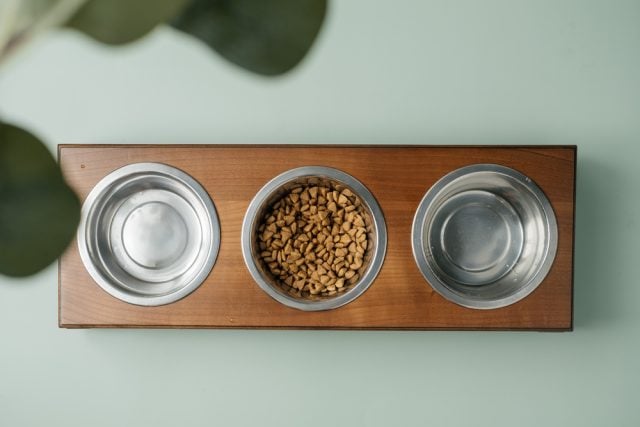
If your dog’s bowls always seem to migrate around the kitchen or you’re tired of stepping on stray kibbles, a dedicated dog feeding station might be exactly what your home (and your pup) needs!
Gone are the days of just plopping down a bowl for food and water for your dog. Nowadays, dog feeding stations are the thing!
In this article, we'll talk about how to set one up, the best location for it, and smart design ideas and inspirations you can use.
RELATED: Top 7 Best Dog Feeding Mats to Keep Doggy Dining Area Clean
What Is a Dog Feeding Station?
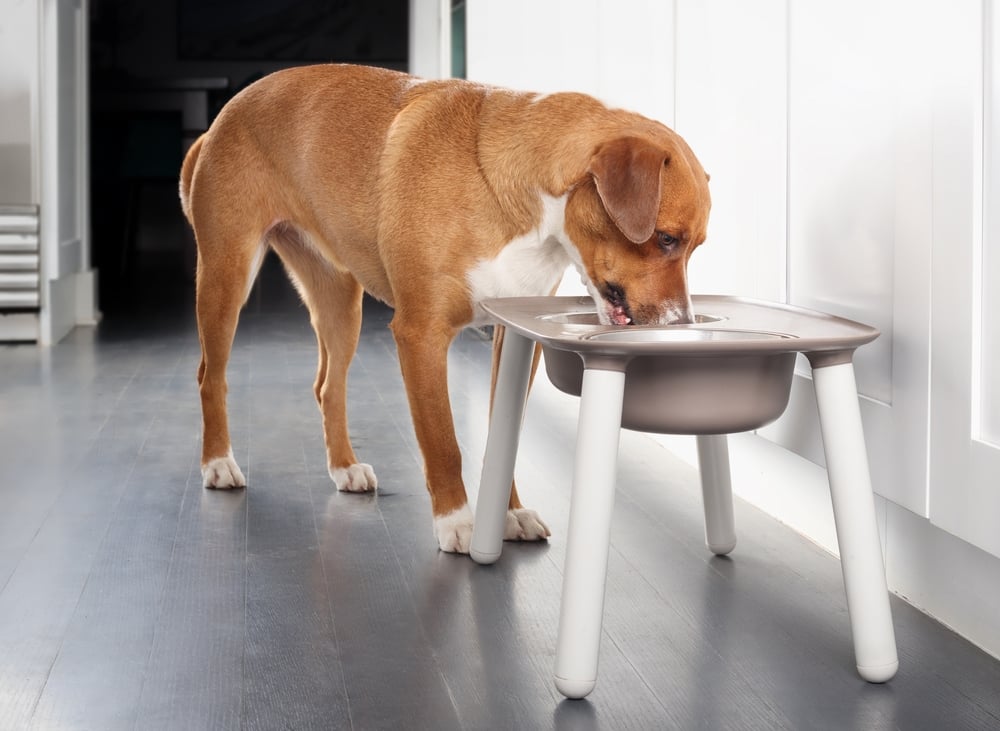
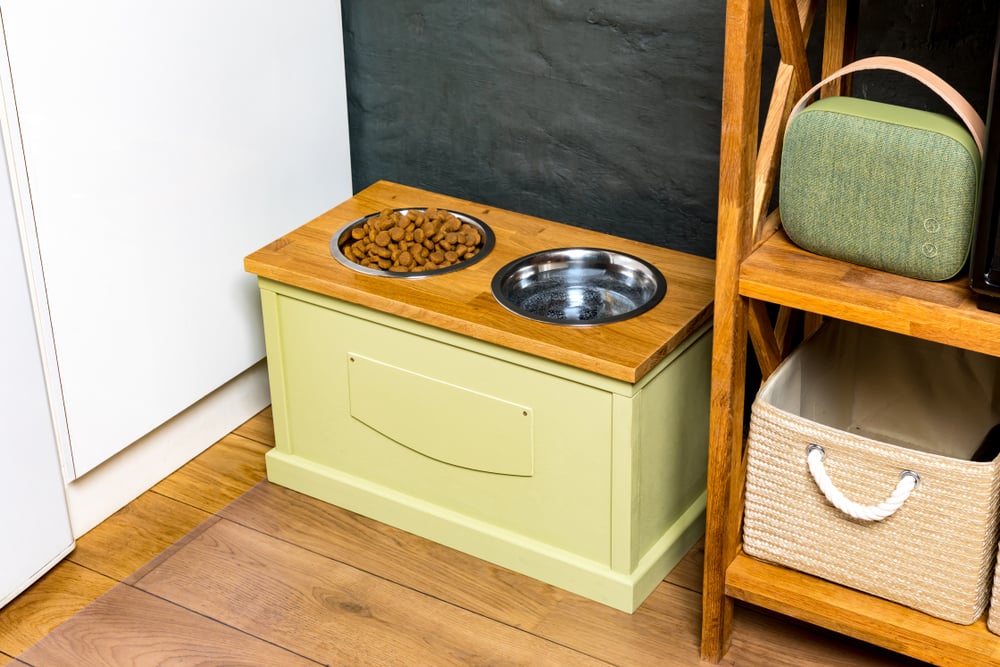
A dog feeding station is a dedicated setup for your dog’s bowls, often elevated or built into furniture to create a clean, ergonomic mealtime space.
It can range from simple raised stands to built-in cabinetry with drawers for treats, food, and accessories.
Not only does it look aesthetically pleasing, but a dog feeding station also has a lot of benefits for both pets and owners, such as:
- Reduces or contains messes and water spills, helping prevent bacterial buildup.
- Helps maintain posture to reduce neck and joint strain, especially for older or larger dogs.
- Keeps food, treats, and dog accessories in one place
- Can accommodate a multi-dog household.
- Helps keep up with mealtime consistency.
You can also customize it to your dog's needs!
Whether your dog is small or large, you can adjust the bowl's height and depth to suit their size.
If they're a fast eater, you can incorporate a slow-feeder bowl. If you have multiple dogs, you can work out separate compartments in the same area.
Additionally, a dog feeding station can fit your household layout without obstructing movement or clashing with interior design, while remaining practical.
That's a win-win!
RELATED: Dog Corner Ideas: 12 Fun & Functional Spaces for Your Pet!
How to Set Up a Dog Feeding Station
Step 1: Choose the Best Location
You'll need a quiet, low-traffic location that people don't often pass by or visit. It could be a kitchen corner, your laundry room, or a mudroom.
Avoid spots near doors, as these are usually high-traffic areas. Placing a dog feeding station there may cause your dog anxiety, and not to mention spills.
Ideally, it should also be in an area with easy access to fresh water and cleaning supplies (keep cleaning solutions out of reach, as they are highly toxic to dogs).
Step 2: Pick the Right Height
 The ideal height allows your dog to eat comfortably without stretching or crouching, which can promote proper posture and good digestion.
The best way to determine the proper dog bowl height is to measure your dog while standing. The top of the bowl should be level with the lower part of your dog's chest.
Generally, you can follow these recommended bowl heights:
| Dog Size | Recommended Bowl Height |
|---|---|
| Small (under 20 lbs) | 4–6 inches |
| Medium (20–50 lbs) | 7–12 inches |
| Large (50–90 lbs) | 12–18 inches |
| Giant (90+ lbs) | 18–24 inches |
Step 3: Select Safe and Durable Materials
The best materials to use are stainless steel, ceramic, or BPA-free plastic.
If we had to rank, stainless steel dog bowls would be at the top of our list. They are durable, hygienic, and rust-resistant.
Ceramic dog bowls are also a good option. They are stylish and easy to clean, but can be fragile. You'll need to secure it safely on the dog food station to prevent breakage and cause accidents.
BPA-Free plastic dog bowls are the lightest and most budget-friendly. However, you need to replace them often to prevent bacterial buildup.
RELATED: How to Choose the Right Dog Bowl
Regarding the station, you can choose the material based on your home's aesthetics. It could be wood, metal, stone, or tile.
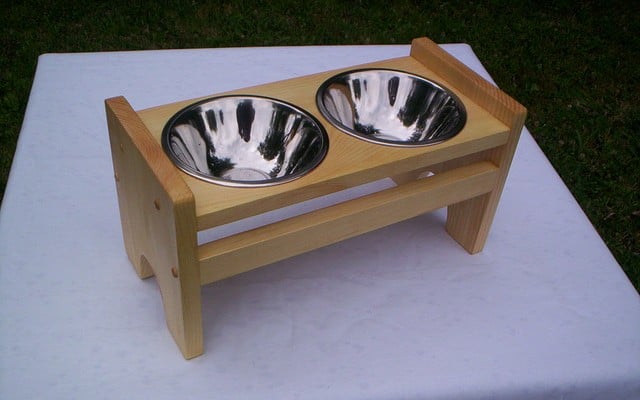 Wood is a popular option because it is warm and stylish, and the easiest to DIY. It can easily match your furniture.
However, a wooden dog food station requires sealing to prevent moisture absorption. As we know, wood + moisture = mold, bacteria, and other contaminants, which are not healthy around your dog's food and accessories.
If you have an industrial-style home, a metal dog food station could be a great option. They are sleek, modern, and easy to clean.
If you can incorporate the feeding station into the furniture as a built-in feature, consider using stone or tile. They are durable and easy to wipe down, too.
More extra features you can consider are:
- Built-In Storage: Space for kibble, treats, or cleaning wipes.
- Water Filtration Bowls: Keep water fresh longer.
- Non-Slip Mats: Prevent sliding and protect floors.
- Automatic Feeders: Great for consistent feeding schedules.
- Easy Cleaning Access: Removable bowls and washable surfaces.
Creative Dog Feeding Station Ideas
Get inspired by these creative dog feeding stations we have scoured on the internet!
Built-In Feeding Drawers
If you have unused space in your kitchen cabinetry or mudroom benches, you can convert the lower section into a slide-out drawer for your dog's food and water bowls.
Not only does it keep the bowls hidden when not in use, but it also helps integrate the feeding station into your home's aesthetics.
You can also use the top drawers to store your dog's belongings.
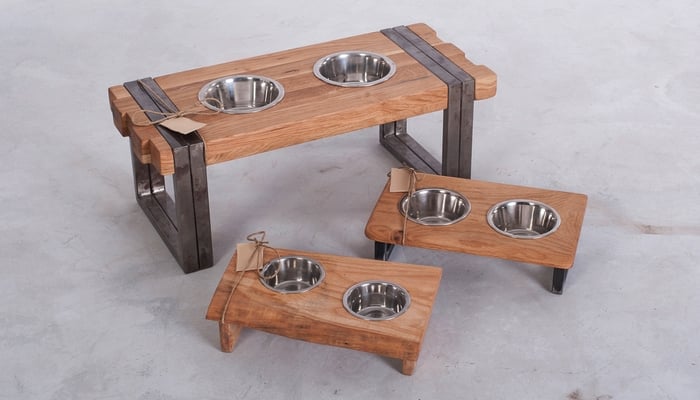
Elevated Stand Stations
Dog feeding stations that are available for purchase online are the simplest and most convenient option.
All you have to do is set them up in one corner, and they're good to go!
Most of them are available in adjustable heights to accommodate your dog's size, especially if they're a growing puppy.
Wall-Mounted Stations
If you live in a small apartment or have limited space, consider this wall-mounted dog feeding station.
It keeps your dog bowls off the floor and reduces the clutter. It's easy to clean as well!
You might need additional storage for the kibble, but this is a fun and cute idea all the same.
Multi-Dog Feeding Stations
Are you in a multi-dog home? This might be the perfect option for you.
You can get separate compartments for each of your dog's bowls, and even label or personalize each based on their personalities.
This is the best idea to organize everything in one place if your dogs are friendly and get along with one another.
DIY Feeding Stations
If you have an old nightstand or wooden crates you no longer use, you can upcycle them into a DIY dog feeding station.
This idea from Hometalk.com turns an unused magazine table into a doggy food bar with a small drawer for chew toys and a counter space for a dog treat jar.
You can also add your own custom touches, like name tags, a dog mat, and your dog's paw prints.
We previously completed a DIY project, building a dog bowl stand from a plastic box that also serves as dog food storage.
Watch how we did it below!
RELATED: DIY Dog Bowl Stand for Less Than $20
Maintenance Tips for Your Dog Feeding Station
Whatever design, material, or style you choose for a dog feeding station, what's important is how you keep it clean.
Always make sure to:
- Clean the bowls daily to prevent bacteria and slime buildup.
- Wipe the station regularly to remove crumbs and spills, especially after every use.
- Inspect materials for wear or tear. Replace cracked ceramics or rusted metals.
- Deep clean weekly if you're using wooden or built-in setups.
- Rotate the food storage to keep kibble fresh.
RELATED: How to Make Homemade Pet-Friendly Cleaners
FAQs About Dog Feeding Stations
What size bowls should I use in a dog feeding station?
Choose bowl sizes based on your dog’s breed, weight, and daily food portion.
Small dogs typically consume 1 to 2 cups of dog food, while large breeds may need 4 cups or more.
The bowl should hold one full meal comfortably without overflowing.
RELATED: How Much Homemade Dog Food to Feed Your Dog
How do I keep ants and bugs out of my dog’s feeding station?
This is a common concern from pet owners about dog feeding stations.
Just make sure to clean the spills immediately and wash the bowls daily to remove food residue.
You can also place the bowls inside a shallow tray with water (an ant moat) or use pet-safe deterrents around the area.
Store dry food in airtight containers, as well.
Should food and water bowls be kept together or separated?
They can be kept together for convenience, but separating them slightly can reduce food contamination in the water.
Either setup works as long as both bowls are kept clean and easily accessible.
How do I set up a feeding station for multiple dogs?
Provide separate bowls to reduce competition and tension among your dogs, especially if they don't get along too well.
If possible, it's best to feed each dog in designated areas or in separate rooms as needed.
Consistent feeding routines and location can help minimize dog food aggression during dog mealtimes.
RELATED: How Many Dogs Are Too Many?
Getting a Dog Feeding Station? Before You Go…
Dog feeding stations are popular now, and for good reasons!
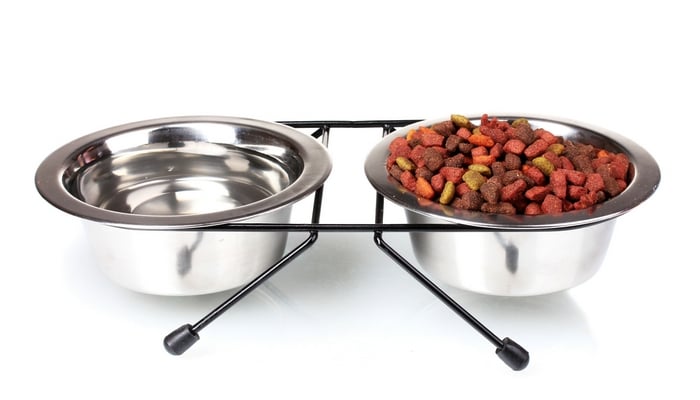
Having a designated place for your dog's bowl, kibble, toys, and accessories can help maintain hygiene and harmony at home.
That said, there is no one right design or blueprint for the perfect dog feeding station. It will depend on your dog's needs.
Do you want to read more about dog feeding or dog DIY projects? You can check out our recommended articles below!