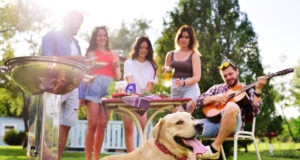

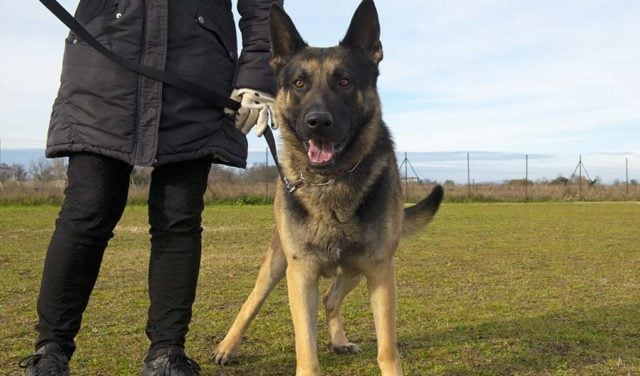
We adopt dogs for many reasons: we may want companionship, a jogging partner, or someone to care for; we may want to save a life and maybe foster a dog.
Some future owners, on top of all that, may also want a dog for personal protection, a loyal companion to walk with at night, or a guard for the house.
Adopting a dog for your own protection or your home isn't uncommon, but it's not that simple.
Because people often adopt specific types of stronger, genetically more aggressive breeds, these dogs can sometimes be a danger to themselves, other humans, and animals if they aren’t raised, trained, and socialized properly.
It's particularly important to be careful about the adoption and training process for someone who may not handle a big, strong, potentially aggressive dog.
For example, if you're a woman of small complexion looking to get a canine companion for personal protection, prepare yourself well in advance, know what to expect, and be sure you can handle the dog with verbal commands alone.
ALSO READ: 14 Best Watch and Guard Dog Breeds
A Dog for Personal Protection
6 Things You Must Consider First

1. Who Really Needs a Guard Dog?
While anyone can keep a guard dog, some owners may have a strong case for considering one for personal protection.
For example, those living in bad neighborhoods, far from quick police response, and generally afraid may be unable to protect themselves.
People who are blind or deaf are also more likely to fall victim to intruders.
A person who is blind may have a heightened sense of hearing and might be able to tell if someone enters their home, but there's no way of knowing if the individual has a weapon or how close they might be in proximity.
A guard dog can warn you with a bark or growl, and it can also defend you if the burglar makes a move.
2. You Must Be in Control At All Times
Have you ever seen a news video of a cop pursuing a suspect with a K-9 police dog, and the K-9 finally catches up? Here's one.
In most such cases, this is the point where the suspect either gives in out of fear, or, as in the video, ends up with an arm locked in the jaws of a German Shepherd. As you can see, if the dog is trained properly, he’ll let go upon command.
Sometimes, this is what you might expect from your “canine guardian.”
But because it's unlikely it'll be a police-trained dog, there have been instances where the protective dog does not let go of the arm or the leg, staying locked in and even mauling it, severely injuring the person.
An incident like this could lead to charges being filed, along with the euthanasia of the dog on the grounds that they are a threat to others, which isn't necessarily inaccurate if the animal does not follow commands at all times.
Before you even consider getting a dog for personal protection, make sure you’re ready to be a firm leader that can quickly and effectively neutralize any bad situation.
This requires training for both you and your protective canine, as explained in this article.
Even if you’ve owned a dog for years, you likely need a course to sharpen your leadership skills and handle an animal with a specific protection task.
3. Make Sure You Have the Right Dog to Perform the Job
 Not every canine is going to make a great guard dog, even if they’re the “correct” breed.
While you can technically go to the local animal shelter to find your future companion, this is probably one of those cases where it's not always the best place to adopt a dog.
Many dogs at animal rescues have experienced some sort of trauma in their lives, and while some adjust quite well when placed in a structured environment, the past experiences stay with the animal for the rest of their lives.
This could interfere with your pup following commands or handling a sensitive situation.
That said, you can still adopt a great protection dog from an animal shelter, provided you do enough research and get help from the staff, whom you need to explain your specific reason for adoption to.
Also, even though they are difficult to find and adopt, consider a retired K-9 police dog; several years of duty have given them enough seasoning to understand what kind of protection is appropriate and what isn’t. You’ll be less likely to have mishaps.
4. You Have to Be Careful with House Guests
Your guard dog should have submissive qualities when friends and family visit. While any breed can be trained to perform certain skills, you’ll want a guard dog with calmer, more alert qualities.
Dobermans, for example, despite how they might be portrayed in movies, are a gentle, relaxed breed that responds quickly to commands.
They’re known for a tender approach with small, rambunctious children and are usually easygoing around adults they’re familiar with. Yet they're also a very clever breed, apt for this type of job.
Do the introductory period after the dog is adopted and while training to establish boundaries around the house, and again when guests come over.
Introduce your pet to guests outside on your porch or in the yard first. Let your dog sniff, and correct them when they need to give space or practice better manners.
When you do this, stay firm and self-assured; there is no reason to fear an encounter between your canine and your house guest.
As long as you’re comfortable, know you can handle the dog, and make it clear that your visitors are to be respected and welcomed, your guard dog will feel comfortable too.
5. Consider Using Size as a Deterrent Instead
 When you put into perspective how much responsibility, training, and homework goes into getting a protective canine, the whole process can feel intimidating.
If you don’t feel ready for an actual guard dog that may require more than average training (plus courses for you), why not try a gentle giant?
The bigger the dog, the less likely someone is to mess with the animal.
Large breeds like Great Danes are big, goofy, loving dogs and generally have a positive outlook as family dogs. Thanks to their size, though, people think twice before challenging one or their own. Not to mention, they have a deep, bellowing bark and growl.
6. Basic Commands and Socialization Are Crucial
No matter where they are in their training, sit and stay should always receive the most emphasis with your guard dog. It's the foundation of your control over the animal.
If they can't follow these basic rules, they won’t be able to safely keep intruders at bay. Dogs that are adjusted to these commands are also more likely to give way to people you want to come over and spend the evening with you.
If possible, have your friends and family participate in the “pack” dynamic, especially if they come around frequently. Let them offer your pup treats as rewards for following their commands, too.
Sure, you want a protective dog, but you also want a dog that is at ease, not anxious about every person they meet, and part of your family.
Remember that canines are social creatures and people-pleasers. All your pup wants is to know that you’re happy and that they’re doing a good job.
You want them to know the difference between someone trying to break in and a friendly neighbor coming over for lunch. So keep socialization and training skills sharp at all times, both yours and your dog's.
READ NEXT: 35 Worst Guard Dog Breeds
Pin and share with other dog owners: