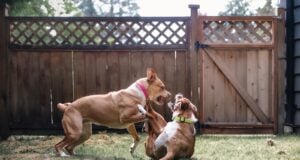

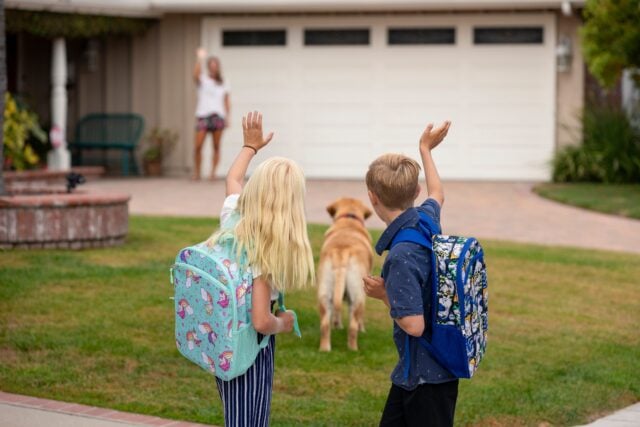
KEY TAKEAWAYS: Prepare your dog for back-to-school at least one or two weeks before. Adjust their routine gradually, set up a comfortable space or corner for them, and leave them with enrichment. Keep your mornings calm and excitement- or stress-free, and let your dog out for a walk or potty break before you leave and after you return from work and school.
As a parent, there's nothing more heartwarming than seeing your kids and dog get along. It can be stressful at times, but watching them play or share safe snacks is always a delight.
So when the kids get back to school, not only do you and your children have to change your routines, but your dog does, too!
Abrupt changes to their walks, meals, alone time, and even the amount of attention they get can be stressful for dogs.
In this guide, we'll cover 12 practical ways to prepare your dog for back-to-school before your family's schedule changes.
12 Tips on How to Prepare Your Dog for Back-to-School
1. Start Changing Your Dog's Schedule Before School Begins
Ideally, you shouldn't wait until the first morning of school to completely change your dog's routine.
Start about one or two weeks beforehand when possible.
This way, you can gradually move breakfast, walks, playtime, and bathroom breaks toward the time you'll use during the school year.
This also includes adjusting the bedtime and morning wake-up times.
Predictability can help dogs adjust to environmental and household changes when the kids get back to school!
RELATED: 4 Good Reasons Why Your Dog Needs a Routine
2. Practice Leaving Your Dog Home Alone
With most kids home for the school break, your dog has gotten used to having someone in the house again, even when you go to the office.
But now that the kids are going back to school and you still have to go to work, your dog will have to readjust to being alone again for most of the day.
To prepare them, start small:
- Leave them in a room for several minutes.
- Progress to stepping outside with the whole family for a short while.
- Take a short trip away from home (like to the grocery store — take the kids with you).
- Gradually increase the duration if your dog remains comfortable.
- Keep your departures and returns calm.
Also give your dog something appropriate to do while you're away, such as a food puzzle. We'll talk about this more in a moment!
3. Create a Comfortable Space for Your Dog
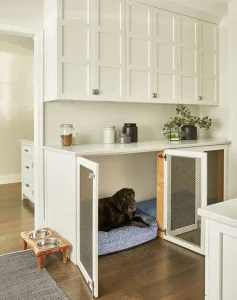
Give your dog somewhere predictable to relax once everyone leaves!
A back-to-school dog area might contain:
- A comfortable bed
- Fresh water
- Safe toys
- Food puzzles
- Familiar blankets
- White noise or quiet background sound
A crate may work for dogs that are already comfortable and properly crate-trained, but you shouldn't suddenly introduce it as a way to confine an anxious dog for an entire school day!
You can get more ideas here: Dog Corner Ideas: 12 Fun & Functional Spaces for Your Pet!
4. Exercise Your Dog Before Everyone Leaves
Build a morning dog walk into the family's new school routine.
Depending on your dog's age, breed, fitness, and health, this might include:
- A neighborhood walk
- Fetch in the backyard
- A short training session
- A sniffing walk
- Indoor play during bad weather
Mental exercise matters, too. Allowing a dog to sniff and explore can provide enrichment without requiring an intense workout.
 5. Give Your Dog Something Safe to Do While Home Alone

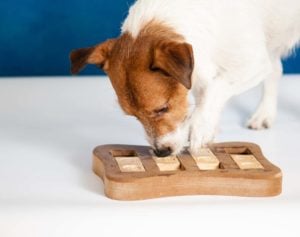
One of the easiest ways to prepare your dog for back-to-school is to make alone time more enriching!
You can train them to use these:
- Food-dispensing toys
- Puzzle feeders
- Stuffed rubber toys
- Snuffle mats
- Long-lasting, dog-appropriate chews
Just make sure to choose items appropriate for your dog's size and chewing habits; otherwise, you might go home with broken toys or worse, a choking dog!
RELATED: How to Keep Dogs Entertained While Home Alone
6. Make Sure Your Dog Gets a Midday Bathroom Break
A full school or work day can be too long for some dogs to comfortably go without a bathroom break, especially for puppies, senior dogs, or dogs with certain medical conditions.
If they're trained to use pee pads and a tray, that's great! If not, consider hiring a dog walker, arranging with a neighbor or friend, or checking them in at a doggy daycare on appropriate days.
7. Keep Departures Calm and Predictable
Emotional goodbyes can turn leaving the house into a major event. And by emotional, we also mean a stressful one!
If possible, prepare bags and lunches ahead of time to keep your mornings organized.
Do your morning routines with the dog, and don't forget to give them an enrichment toy or activity before everyone leaves the house quietly.
Developing a predictable departure routine can help your dog understand what happens each morning.
8. Teach Children the Right Way to Say Goodbye
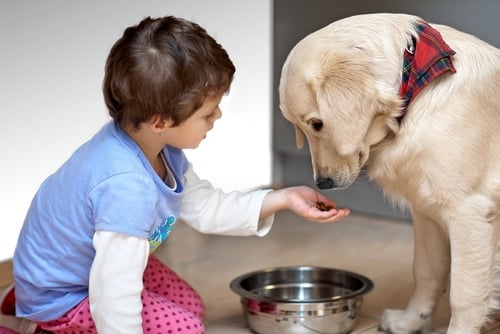
Talk to the kids about how they should support your dog during this adjustment period. Back-to-school preparation should include them, too!
Ask them to avoid:
- Excitedly hugging or squeezing the dog before leaving.
- Teasing the dog with backpacks, shoes, or lunchboxes.
- Giving the dog food from their lunch.
- Turning departures into lengthy emotional events.
Instead, children can help fill a puzzle feeder, refresh the water bowl, or join a short morning training game.
RELATED: 7 Tips for Managing a Multi-pet Household with Kids
9. Dog-Proof the House for the New Routine
If you haven't already, dog-proof the house before leaving your dog alone again. Remember: a bored or stressed dog may investigate things they normally ignore!
Make sure to secure things, including:
- School supplies
- Children's medications
- Lunchboxes
- Chocolate and candy
- Gum or products containing xylitol
- Batteries
- Small toys
- Electrical cords
- Trash cans
- Backpacks
Pay particular attention to children's rooms and backpacks, since both may contain food, medications, craft supplies, or small objects a dog could swallow.
Don't give them unsupervised access!
RELATED: 6 Quick Tips for Puppy-Proofing Your Home
 10. Use Technology Carefully
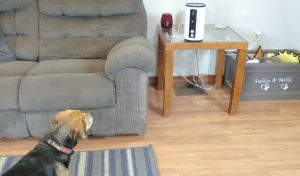
Technology can help you see how your dogs actually behave after everyone leaves.
You can set up pet cameras around the house. Some even have two-way audio (to help you communicate with your dog) and automatic feeders or treat dispensers you can activate to reward them for being a good boy or girl!
A camera can be especially useful for spotting pacing, persistent barking, escape attempts, or other behaviors you wouldn't otherwise notice.
However, technology should supplement care, not replace exercise, bathroom breaks, enrichment, or human interaction, so you must still consider a pet sitter at least once in a while.
RELATED: AI in Pet Care: 8 Artificial Intelligence Tools to Monitor Dog Health
11. Make After-School Time Count
When everyone comes home, give your dog an appropriate outlet for pent-up energy!
Let them be excited and spend that energy on an afternoon walk with the kids, backyard play, fetch, trick training, or hide-and-seek.
However, keep greetings manageable, especially if you have a large dog that becomes extremely excited when the children arrive home. They may jump on your small kids and cause unwanted accidents.
This is also a chance to make dog care a family responsibility by assigning age-appropriate walking, feeding, grooming, or play duties.
12. Watch for Signs Your Dog Isn't Adjusting Well
Some temporary changes can occur as dogs settle into a new routine; however, if these behavioral changes become persistent, they may need more attention and possibly help from experts.
Signs of possible back-to-school stress in dogs are:
- Vocalization, such as barking, whining, or howling
- Destructive behavior
- Restlessness
- Potty accidents
- Panting, drooling, trembling, or refusing food
- Trying to escape, scratching doors, damaging crates
If your dog consistently shows significant distress, speak with your veterinarian. They can rule out medical causes and, when appropriate, refer you to a qualified veterinary behaviorist or trainer.

Quick Back-to-School Checklist for Dog Owners
One to Two Weeks Before School
- Gradually adjust feeding and walking schedules.
- Practice short periods of alone time.
- Refresh basic obedience and settling skills.
- Arrange a dog walker or pet sitter if needed.
- Introduce enrichment toys while you're still home to supervise.
The Night Before
- Prepare food puzzles or enrichment activities.
- Put away hazardous school supplies and food.
- Set out the leash and walking equipment.
- Make sure identification information is current.
Each School Morning
- Give your dog a bathroom break.
- Provide appropriate physical and mental activity.
- Refresh their water.
- Give them a safe enrichment activity.
- Leave calmly.
After School
- Take your dog outside promptly.
- Provide exercise and interaction.
- Check the home for signs of stress or destructive behavior.
- Maintain the evening feeding and bedtime routine.
FAQs About Dogs and Back-to-School Season
Do dogs notice when kids go back to school?
Yes. Dogs can learn household routines and may notice changes in when family members leave, return, feed them, walk them, and interact with them.
How long can a dog safely stay home alone?
There isn't one safe duration for every dog. Age, health, house-training ability, temperament, and access to bathroom breaks all influence how long an individual dog can comfortably remain alone.
RELATED: 8 Dangers of Leaving Your Dog Home Alone for Long
How can I keep my dog entertained while I'm at work?
Food puzzles, safe enrichment toys, sniffing activities before you leave, and visits from a dog walker can help break up the day. Just make sure to rotate enrichment rather than leaving every toy available all the time, so they don't get bored too fast.
Should I leave the TV or radio on for my dog?
Some dogs appear comfortable with quiet background sound, while others don't seem to care. If you use it, keep the volume low and choose calm programming rather than loud or unpredictable content.
Should I get another dog so my dog isn't lonely?
Don't adopt a second dog solely to treat loneliness or separation anxiety. Some dogs enjoy canine companionship, but separation-related problems can persist even when another pet is present.
RELATED: 8 Tips on Adopting A Second Dog (Do It Right)
Make Back-to-School Easier for Your Dog!
Preparing your dog for back-to-school comes down to making the household transition gradual and predictable.
Start adjusting the schedule early, practice alone time, provide safe enrichment, arrange bathroom breaks, and make sure your dog still receives plenty of exercise and family interaction.
Most importantly, pay attention to what your dog is telling you.
If the new routine causes persistent distress rather than a short adjustment period, involve your veterinarian or a qualified behavior professional instead of assuming your dog will “get used to it.”
Has your dog ever struggled when the kids returned to school? Share what helped your family in the comments, and explore more Top Dog Tips guides on keeping dogs happy and entertained while they're home alone!