

Table of Contents
- Why Pets Need a Calm Space During the Holidays
- How to Create a Calm Space for Pets
- 1. Choose the Right Location
- 2. Use Comforting Scents and Sounds
- 3. Include Familiar Comfort Items
- 4. Control Lighting and Temperature
- 5. Maintain Routine and Predictability
- 6. Additional Tools and Techniques to Keep Pets Calm
- 7. Manage Guests Around Your Pet’s Calm Space
- 8. Traveling for the Holidays? Create a Mobile Calm Space for Pets
- FAQs About Creating a Calm Space for Pets
- Setting Up a Calm Space for Pets: Before You Go…
The holiday season brings joy and gatherings to families around the world, but it can also overwhelm our dogs and cats with the noise, guests, and disruptions to their routine.
By creating a calm space for pets, we can help reduce their anxiety, prevent behavioral issues, and keep them safe and sound during celebrations.
In this guide, we'll discuss how to design a safe, calm space for pets during the holidays, signs of holiday stress to watch for, and calming tools that actually work for most pets.
RELATED: 11 Tips to Ensure Your Dog is Safe During the Holidays

Why Pets Need a Calm Space During the Holidays
Holiday preparations can be chaotic, but honestly, we thrive in it! After all, we get to share it with our closest friends and family during the most magical times of the year.
However, our pets don't share the same sentiments.
With all the strange people coming into the house, the fireworks, loud music, unfamiliar scents, and new decorations… these can overwhelm them.
Recognizing the early signs of stress and creating a calm space for your pets will help you enjoy the holiday without worrying too much about your furry pal.
Signs of Holiday Stress in Pets
Dogs, cats, birds, and other small, domesticated pets exhibit holiday stress in different ways.
Dogs, for example, are social animals that can quickly become overwhelmed by loud noises, unfamiliar guests, or disrupted routines.
You'll know they're stressed when they:
- Panting or drooling when not hot or exercising
- Pacing, trembling, or whining during noisy activities (like parties or fireworks)
- Avoiding eye contact or hiding behind furniture
- Ears pinned back or tail tucked between legs
- Excessive licking or scratching to self-soothe
- Accidents in the house, even if they’re potty-trained
- Clinginess or sudden withdrawal from family members
Cats, on the other hand, may not be as social, but they thrive on predictability and may find holiday chaos particularly distressing.
Signs of holiday stress in cats include:
- Hiding for long periods under beds or furniture
- Refusing food or overgrooming (sometimes leading to bald patches)
- Tail flicking, dilated pupils, or flattened ears
- Sudden aggression toward people or other pets
- Pee accidents
- Overly vocal behavior (yowling or meowing excessively)
RELATED: How To Tell If Your Cat Is Depressed and What To Do About It?

Even birds and other small pets, such as hamsters, rabbits, and guinea pigs, can get stressed during the holiday chaos.
Birds are highly sensitive to changes in noise, lighting, and movement, all of which increase during the holidays.
Common stress indicators for birds are:
- Feather plucking or excessive preening
- Loss of appetite or refusal to eat
- Screaming, shrieking, or sudden silence
- Aggressive pecking or biting
- Trembling or pacing in the cage
- Drooping wings or tail feathers
Other popular pets, such as hamsters or guinea pigs, are considered prey species, which means that sudden noises or unfamiliar scents can easily frighten them.
Stress signs for small domestic mammals include:
- Refusal to eat or drink
- Rapid breathing or thumping (in rabbits)
- Freezing in place or remaining motionless
- Teeth grinding in rabbits or squealing in guinea pigs
- Hiding constantly
- Fur loss or changes in grooming behavior
Some may brush these off, thinking they'll only last for a while and their pets will return to normal after the holidays.
However, when ignored, stress can lead to long-term health risks, including stomach upset, loss of appetite, and behavioral regressions, among others.
This is why it's important to set up a haven or a dedicated calm space for pets that will give them refuge during the height of the holiday season.
TOP DOG Tip: If the holiday stress signs persist in your pet, consult your veterinarian, especially if they stop eating or behaves unusually.

How to Create a Calm Space for Pets
1. Choose the Right Location
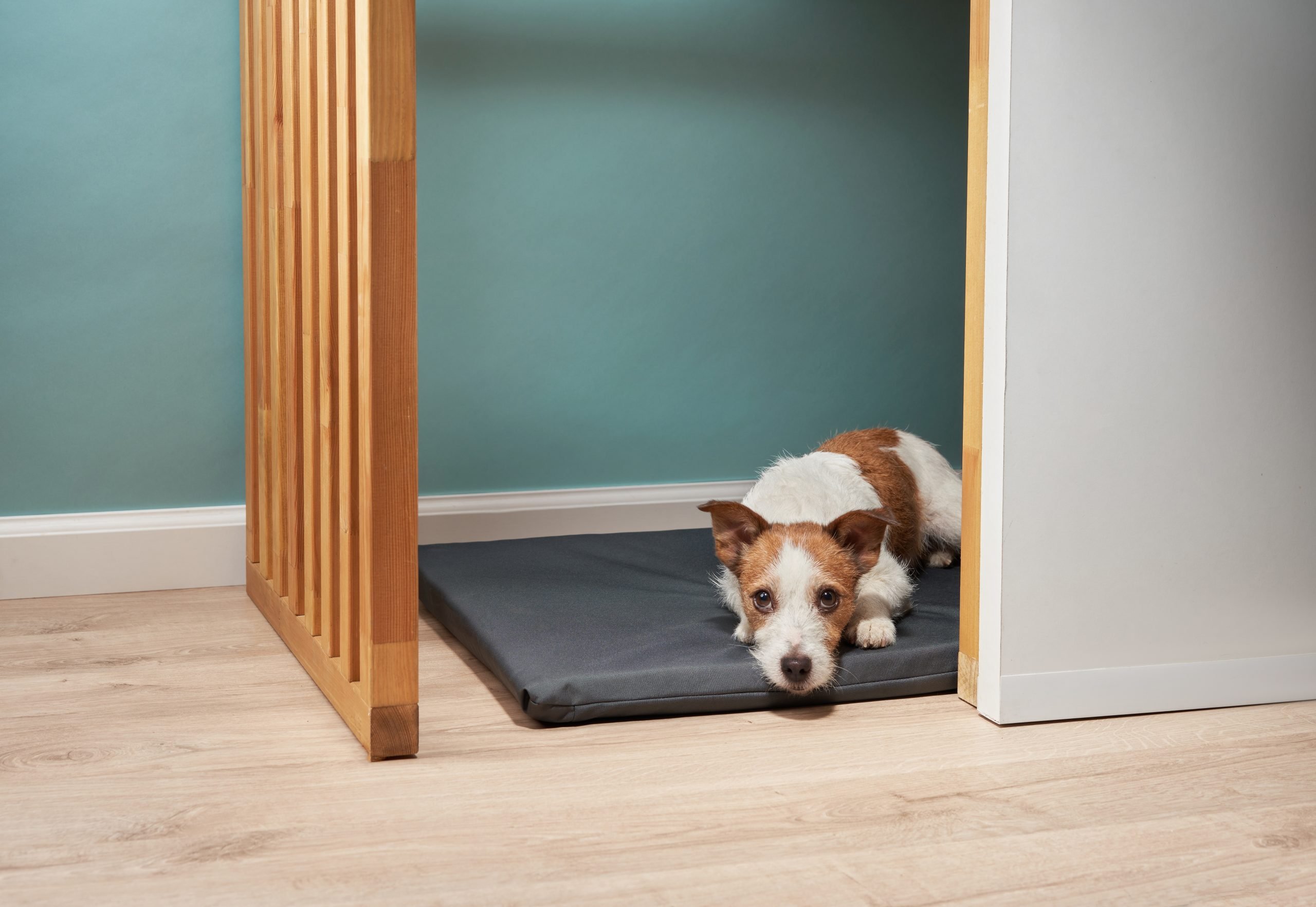
It will be easier if your house already has a designated cat or dog corner, but if not, a quiet, low-traffic area will be perfect, as long as it's away from the main festivities.
Some examples include your bedroom, the laundry room, or any other enclosed area in the house.
For small pets, you can half-cover their cages to create a safe retreat area.
Wherever you choose, ensure it's familiar and comfortable for your pet. Have their food, water, and toys nearby so they don't have to leave this space.
Also, avoid changing locations frequently. Have this one space ready for Halloween, Thanksgiving, Christmas, and other holidays throughout the year, so your pet gets used to it easily.
 2. Use Comforting Scents and Sounds
Using calming aids like Adaptil diffusers for dogs or Feliway sprays for cats will go a long way, especially if you have an especially anxious pet.
These mimic soothing pheromones and will help calm their nerves during stressful holiday celebrations.
You can also get them a white noise machine or a small speaker playing soft background music, such as classical music or nature sounds.
These can somehow help drown out loud noises from fireworks or parties.

3. Include Familiar Comfort Items
Adding your pet's comfort items, such as their favorite blanket, bed, or a worn T-shirt with your scent, will also help make their calm space feel safer.
For cats, vertical safe zones, such as cat trees or boxes, will help them manage the holiday stress.
Birds will appreciate having their usual perch and foraging & shredding toys.
Hamsters and guinea pigs will need their deep bedding, exercise wheel, chew items, and tunnels & hideouts to feel safe and comfortable despite the holiday hustle and bustle.
4. Control Lighting and Temperature
Wherever your pet's calm space is, dim the lights and maintain a comfortable temperature—not too hot, not too cold.
Be sure to avoid assigning them drafty corners or areas near heating vents so that they can relax comfortably.
Having blackout curtains will also help a lot if your pet is sensitive to the flashes from holiday lights or fireworks.
 5. Maintain Routine and Predictability

Regardless of the season, it's extremely important to stick to your pet's regular feeding, walking, and play schedule as much as possible.
Sudden changes in your pet's schedule can increase their anxiety even before the noise and the guests arrive.
Make sure to plan, especially if you're hosting the celebration or traveling for the holidays.
You can also use scheduled timers or automatic feeders if you'll be busy during the gatherings.
6. Additional Tools and Techniques to Keep Pets Calm
Apart from the familiar items, you can also get these items for short-term comfort during the holidays.
Set up your pet's calm space with the following:
- Calming treats or supplements with chamomile, L-theanine, or vet-approved CBD to reduce mild anxiety naturally
 Weighted blankets will provide comfort through gentle pressure
- Pheromone diffusers to replicate natural calming signals for pets
- Soft beddings for extra comfort and relaxation
- Interactive toys like lick mats, KONGs, and puzzle feeders for distraction
7. Manage Guests Around Your Pet’s Calm Space
This is another crucial step to ensure your pet remains calm during the holidays.
Inform your guests in advance that your pet has a designated calm space or quiet zone that should not be disturbed.
You can post a sign on the door or wall so they won't accidentally enter and cause distress, or allow your pet to escape.
For kids visiting, it's also important to discuss pet etiquette. No chasing, no sudden hugs, and no loud noises near the pet's zone.

8. Traveling for the Holidays? Create a Mobile Calm Space for Pets
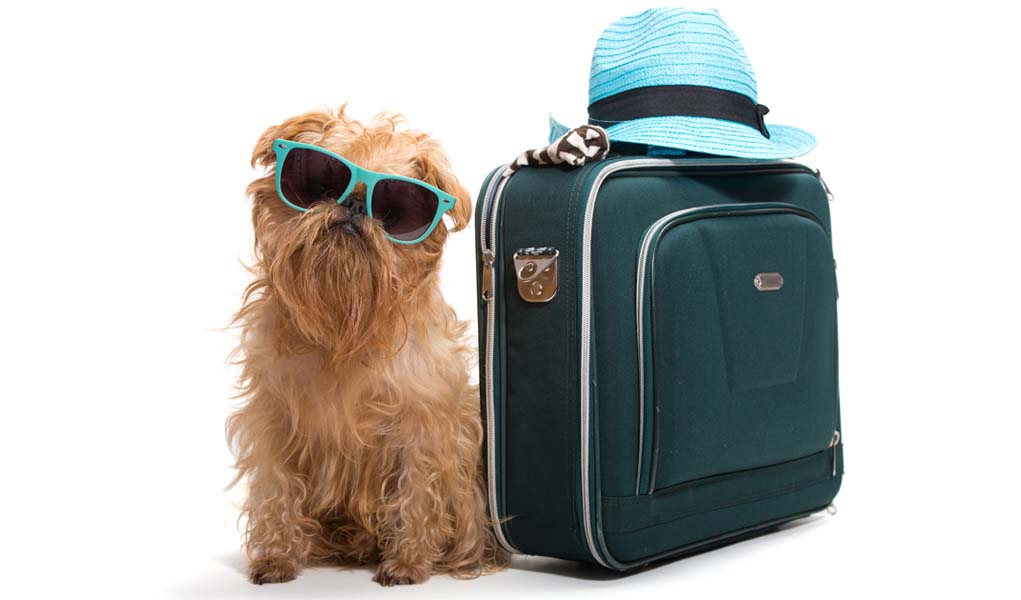
If you're not hosting and instead traveling with your pet for the holidays, you can still create a portable comfort zone for them!
Use their usual crate or carrier and line it with familiar items, such as blankets, toys, or your own clothing.
Make sure to still keep it quiet in a corner, away from foot traffic, wherever you're staying.
Try to stick to their feeding and walking schedules as much as possible, even when traveling.
If it's going to be a long car ride, bringing calming aids will help manage their stress.
RELATED: 6 Important Tips for Long-Distance Traveling with Your Dog
FAQs About Creating a Calm Space for Pets
Where to leave your dog when you go on holiday?
There are several options you can consider, including a trusted pet sitter, a friend or family member, or a reputable boarding facility.
Just make sure to choose based on your dog’s personality. Some do better at home, while others enjoy socializing at a kennel.
Can essential oils help calm pets?
Some pet-safe essential oils, like lavender or chamomile, may help calm anxiety in dogs when used correctly.
For cats, always use diluted oils and avoid diffusing oils around them, as many are toxic to felines.
Consult your vet before using any essential oil.
RELATED: 9 Reasons to Use Essential Oils for Dogs
Can I give my pet medication to help with holiday stress?
Yes, you can, but only under a vet’s guidance.
Some pets may benefit from prescription anxiety meds or over-the-counter calming aids, but dosing and safety vary by animal.
Never administer human medication to pets without consulting a veterinarian.
Setting Up a Calm Space for Pets: Before You Go…
Holidays can be overwhelming for our furry friends who thrive on routine, so creating a calm space for pets will help them feel secure, relaxed, and happy.
Make sure to use familiar items, stick to their schedules as much as possible, and communicate with your guests about respecting your pet's private zone.
Apart from toys and whatnots, give your pet the gift of peace and calm this holiday season!
If you want to read more about holiday tips for pet owners, you can check out our recommended articles below.