

Table of Contents
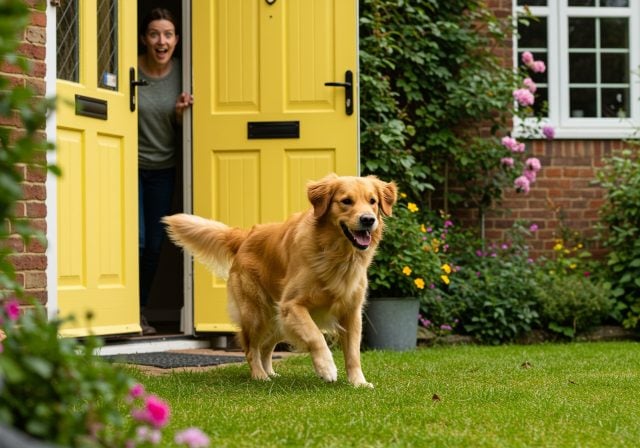
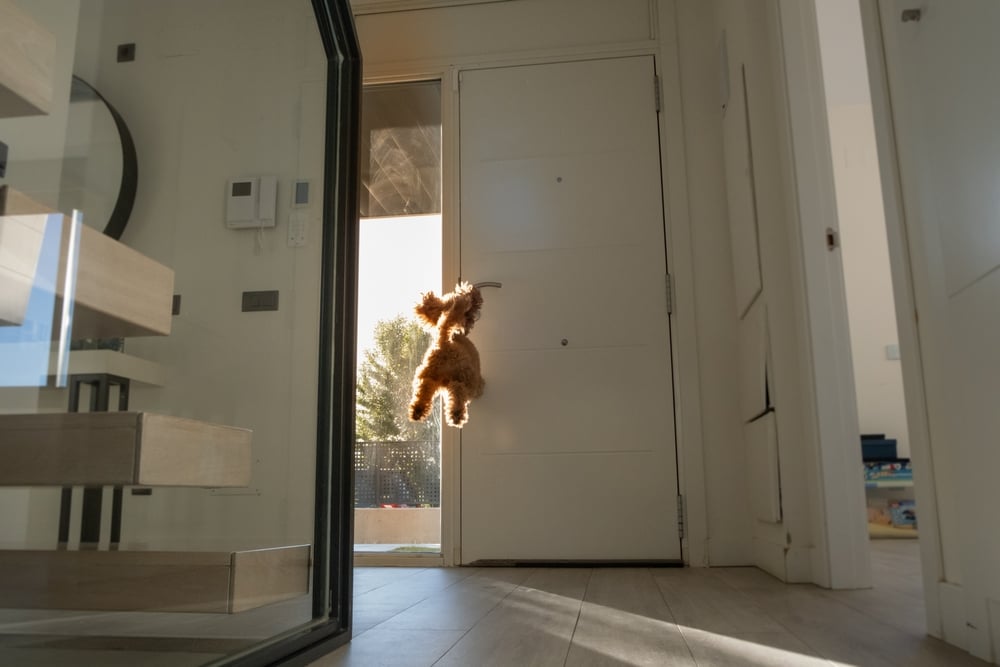
Imagine the scenario: the door opens, a breeze carries in new scents, then your dog suddenly dashes out of the house before you can react. Sounds familiar?
Dog bolting is when a dog suddenly runs away from their owner, from inside the house or yard, or while on a leash, due to uncontrolled excitement, curiosity, or instinct.
This is a common behavioral issue in dogs, especially in spring, when new smells, wildlife activity, and increased outdoor distractions become more prevalent.
While this may seem just a silly thing our pets do, dog bolting is actually not without risks. Think traffic accidents, getting lost, injuries, or encounters with predators.
In this guide, we'll talk about why dogs bolt, why it's more common in spring, and how to prevent and stop this behavior safely and effectively.
RELATED: 25 Escape Artist Dog Breeds That Are Good at Running Away

What Dog Bolting Looks Like
Dog bolting is exactly what it sounds like—a dog ignoring their owner's commands in pursuit of a trigger, usually a scent.
They will run out of the door or the gate the instant they open, possibly slipping out of collars or escaping yards. When on a walk, your dog may also pull on their leash to chase something.
This behavioral problem is commonly observed in most dogs after winter, when outdoor scents become stronger. After being cooped up in the house for quite a while, best believe that our dogs are as eager to explore outdoors as we are.
The increased wildlife activity, with squirrels, rabbits, and birds emerging from hibernation, can also trigger a dog's natural hunting instinct, especially in scent hounds.
Spring is also the mating season for dogs. This is when they often go into heat, as their hormonal activity surges with increased daylight, which can also trigger their instinct to go out and meet other dogs.
RELATED: Dog in Heat? A Guide for Pet Owners
Common Causes Why Dogs Bolt
There can be many reasons dogs bolt, especially this season, but understanding what actually triggers your dog is important for correcting the behavior.
 Instinct and Prey Drive

Dogs have a natural, genetic instinct to track, chase, and capture moving objects, a behavior they inherited from their wild, undomesticated ancestors.
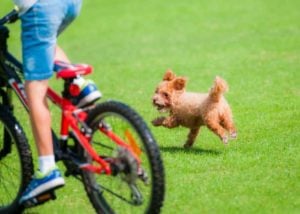
Their prey drive could be triggered by running animals, kids, bicycles, or even large vehicles.
Some breeds have higher prey drives than others, especially terriers, hounds, and herding dogs.
This behavior is rooted in survival, but because our domesticated dogs are well cared for, their hunting instinct can be managed through structured play and proper training.
Exciting New Spring Scents
The melting snow and blooming plants release stronger smells, which can trigger a dog's highly sensitive sense of smell.
The new plant growth, damp earth, and increased wildlife activity can be an intensely stimulating experience, especially for scent-motivated dogs.
While humans have roughly 5 to 6 million scent receptors, scent hounds have about 125 to 300 million. Their olfactory is that powerful!
Bloodhounds, Beagles, Basset Hounds, and Dachshunds are among the most popular scent hound breeds. If you have a dog from this line of tracking dogs, then you'd better be ready to chase or prevent them from bolting.
RELATED: What Are Breaking Scents for Hunting Dogs
Lack of Training or Recall Skills
Dogs that haven't mastered basic commands like “come” or “stay” may bolt as soon as they see an opportunity.
They haven't learned that coming back to their owners is much more rewarding than chasing distractions.
It's also possible that they know what “come” or “stay” means, but only in familiar settings. They haven't generalized the commands to other environments yet, such as outdoors.
Without a solid training foundation in puppyhood, dogs may view the world as more stimulating and interesting than their owners do, which leads them to bolt whenever they can.
RELATED: How to Train a Dog: Basic Commands
Excess Energy or Boredom
Dogs that don’t get enough exercise may bolt when given the chance.
All that pent-up energy, boredom, and possibly frustration can urge your dog to run away.
Our dogs are smart creatures; they need constant physical and mental stimulation.
If they don't get any, they will take it upon themselves to find that excitement by hunting, exploring, or seeking adventures, in general.
Fear or Anxiety
If you have a particularly anxious dog, then this has probably (or almost) happened once or twice in the past.
Sudden loud noises, like fireworks, or overstimulating activities, like trick-or-treaters and loud parties, can trigger an intense fight-or-flight survival mechanism in anxious dogs.
As a matter of fact, the Fourth of July has always been the holiday with the highest number of reported missing dogs in the USA.
While dogs have the most sensitive sense of smell, their hearing is quite excellent, too. They can detect sounds at lower volumes or higher frequencies a lot better than humans.
Sudden, intense noise, such as fireworks or thunder, can feel physically painful or threatening to dogs.

The Dangers of Dog Bolting
There should be no problem if your dog bolts from inside the house into a secure backyard, but unfortunately, this isn't always the case.
There are many dangers associated with dog bolting, which is why this behavior should never be ignored.
Traffic Accidents
A traffic accident is one of the most common causes of fatal dog injuries.
In the United States, the American Humane Society has estimated that about 100,000 dogs die each year from vehicular accidents, whether they are riding in the car unrestrained or on the road, being hit by a vehicle.
Not only is this a danger to your dog, but also to the pedestrian and motorists around.
Getting Lost or Stolen
Dogs that bolt can wander far from home, especially if they don't know how to find their way home. There's also the risk of theft, especially if your dog is rare or purebred.
Intact male dogs who are in heat and are searching for a partner will also often continue their wanderlust fire and wide, sometimes following a scent for miles.
Wildlife or Animal Encounters
Spring can increase encounters with other animals, especially if you're in an area with high populations of bears, foxes, coyotes, and other predators.
Not only can they sustain physical injuries, like bites, scratches, or attacks from the encounter, but your dog can also contract a fatal disease, such as rabies, leptospirosis, or parasites.
Even smaller territorial wildlife, like skunks or raccoons, can also cause injury or spray your dog.
Injury From Running or Falling
Dogs can injure themselves while sprinting uncontrollably.
Torn or blistered paw pads, strained muscles from intense, sudden movements, and overworked joints from running fast and doing sharp turns are only some of the injuries dogs can experience from bolting.
Legal Issues
Owners will always be held responsible for their pets' behavior, especially if strict liability laws apply in your area.
If your dog escapes and causes damage, injury, or violates local ordinances, you may face fines, lawsuits, and, in severe cases, the impoundment or euthanization of the animal.
RELATED: 8 Laws All Dog Owners Should Be Aware Of
How to Prevent Dogs From Bolting at Home
If your dog is door-dashing, escape artist, there are things you can put in place to prevent this from happening.
 Secure Your Doors and Gates
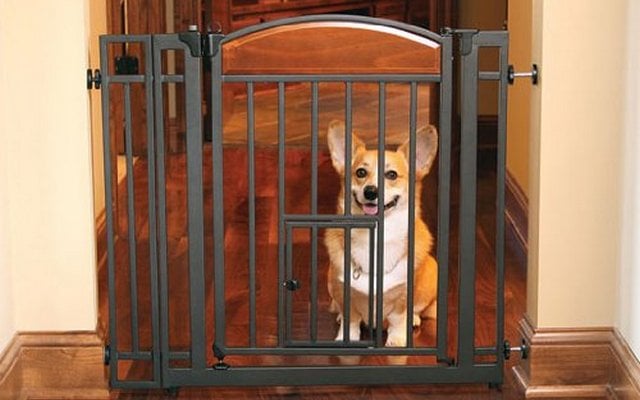
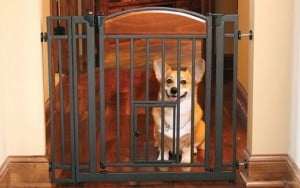
Place another barrier at your doorways by adding automatic door closers or baby/pet gates, so that when you open the door or gate, your dog is blocked from bolting past you.
Some dogs know how to dig under the yard fence. Don't wait to find out whether your dog can dig; it's best to install a digging barrier. As they say, better safe than sorry.
Train to “Wait at the Door”
Teaching your dog to pause before exiting will make them hesitate to run outdoors without your cue.
Start practicing them on-leash. Ask your dog to sit or wait before opening the door. Open the door slightly while checking their reaction. If they move, close it immediately.
Do this often until they get the cue, then reward them for their patience. Only open the door completely if they have learned to stay still, and only before giving a release command, such as ‘okay' or ‘go'.
Consistency is important here; do this every time you go out with them, even when not training.
RELATED: How To Train A Dog To Stay In the Yard: A Brief Video Guide
Provide Adequate Exercise
Daily walks, play sessions, and mental enrichment can expend your dog's energy, making outdoor exploration seem less exciting and, in turn, helping prevent your dog from bolting.
RELATED: 8 Ways to Encourage a Lazy Dog to Exercise
Use a Designated Entry & Exit Routine
If possible, train your dog to enter or exit only through a specific door. It could be through your back door to the yard, or anywhere else except the one your family or guests use.
This will prevent them from getting too excited or reacting whenever your main door opens.
If not possible, teaching them the “pause and wait” routine whenever they enter or exit your home should be enough to stop them from bolting.
Create a Stimulating Environment
A stimulating environment with a variety of toys, scent games, and activities can be enough to satiate your dog's curiosity and energy.
If you have the space, you can also set up safe exploration areas for them to practice their sense of smell and hunting instincts.

How to Stop a Dog From Bolting on Walks
Preventing your dog from bolting from home is one thing, but preventing them from bolting while you're already outdoors and they're on a leash is another.
Practice Loose-Leash Walking
Leash pulling is another common behavior problem that dog owners must address immediately.
Dogs that pull on their leashes, especially when triggered by a stimulus, may cause neck injuries, allow them to slip out of their collars, and cause them to run away.
Practice loose-leash walking in a low-distraction environment.
Walk beside them while keeping the leash slack. Immediately stop if they try to lead and walk ahead or if the leash tightens.
Reward them with treats and praises when they return to your side
Keep at it until they learn that walking beside you is more rewarding than pulling forward.
RELATED: 10 Leash Pulling Training Tips Using a Dog Harness
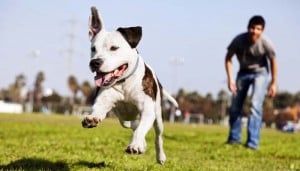 Train a Reliable Recall Command

Another important command you should teach your dog is recall, or “come.”
This will teach them to return by your side whenever they hear the trigger word, which will come in handy if you're both outdoors with lots of distractions.
Start indoors, with a short distance between you, then gradually increase the distance as they get used to the command.
One tip most experts teach dog owners is to make yourself exciting. Use a high-pitched voice, smile, squat down, or run backwards to entice them to run toward you.
When they do, reward them with treats and praise, so they'll do it again and again.
Practice the recall command while gradually increasing the difficulty or distractions until they can fully follow your words.
Use Proper Walking Equipment
If your dog tends to run away, make sure to use proper, secure walking equipment when taking them outdoors.
Focus on security through redundancy—multiple sets of clips or locks are nothing compared to ensuring your dog's safety.
Use escape-proof harnesses, such as three-strap or Martingale style, Martingale collars, and double-ended leash systems.
Avoid retractable leashes. Reserve this for a more trained and well-behaved pet.
If you can, connect the harness to their collar too, just as a safety backup.
Watch for Trigger Signs
Familiarize yourself with the signs that your dog is triggered and is ready to bolt.
The usual things to watch out for are:
- Stiff posture
- Focused staring
- Sudden tension on the leash
- Pulling or backing out of collars
- Panting, whining, trembling
If you notice these, try to distract them with toys or treats.
You can also crouch to get their attention. Call their name in a calm voice.
If they escaped, don't chase them, as it might make them run faster. Instead, stay where you are or run in the opposite direction to encourage them to run after you.
Lastly, always remember to keep your dog's microchip or ID tag up to date with the correct information.
Dog Bolting FAQs
What should I do if my dog slips out of their collar?
Stay calm and avoid chasing, as that can trigger them to run farther.
Call their name in a happy, inviting tone, and try moving in the opposite direction to encourage them to follow.
Once secured, check that the collar fits properly—two fingers should fit snugly underneath.
Why do dogs chase squirrels and birds?
Chasing small animals is driven by a natural prey instinct.
Many breeds were originally developed for hunting, so movement triggers their chase response. Training and leash control help manage this instinct safely.
Can GPS trackers help prevent lost dogs?
Yes, GPS trackers can help you quickly locate a dog if they escape.
While they don’t physically prevent a dog from getting lost, they greatly improve the chances of recovery.
Pairing a GPS device with proper identification tags and microchipping offers the best protection.
RELATED: 11 Best GPS Trackers for Dogs and Dog Collars: Review & Cost
Dog Bolting: Before You Go…
Dog bolting is often triggered by instinct, excitement, and environmental distractions, most common in spring, when new scents and wildlife activity reappear.
Addressing dog bolting isn't an overnight solution. It requires patience and gradual training to improve your dog's recall and impulse control!
Want to learn more about dog behaviors and training tips? Check out our recommended articles below!