


Table of Contents
I'm sure every pet owner who enjoys a nice walk outside with their dogs has experienced this: Fido spots a squirrel, rabbit, or bird, then suddenly bolts before you can react.
Unfortunately, chasing wildlife is a natural instinct for dogs, and it can quickly become dangerous. Think injuries, getting lost, encounters with aggressive animals, or running into traffic. Many things can happen!
Don't worry, because this instinctual behavior can be managed and improved with proper training.
In this guide, we'll talk about the causes, risks, and proven ways to stop dogs from chasing wildlife.
RELATED: Do Dogs Act Different in Spring?

Why Do Dogs Chase Wildlife?
Prey Drive and Instinct
Many dogs are hardwired to chase moving objects. This is their prey drive, an innate, instinctual behavior that domestic dogs inherited from wolves.
They search, stalk, chase, bite, and even kill, often in response to quick movements.
Certain breeds, however, are more predisposed to act out on their prey drive and instinct, such as terriers, hounds, and herding dogs. In fact, some are even bred and trained for it, like hunting dogs.
Lack of Training or Impulse Control
Dogs that haven't learned the “leave it” or recall command are more likely to chase wildlife than those that have been trained.
Without proper training, dogs won't know that chasing is unacceptable behavior and that there are appropriate outlets for their energy, such as playing fetch or tug-of-war.
They are unable to think before acting, so they react to the immediate stimulus rather than control the urge to pursue it.
Chasing is a self-rewarding predatory instinct in dogs; it releases dopamine in their brains, making it addictive.
It can override learned behavior when dogs haven't been taught to control their impulses and manage their arousal level.
Boredom and Excess Energy
Bored and understimulated dogs may create or seek their own entertainment, be it barking at people or, in this case, chasing moving objects, such as wildlife.
Dogs that lack mental stimulation and physical exercise become bored and may release their pent-up energy by chasing. This is especially true for dogs with a high prey drive and high energy.
RELATED: TOP #120: How to Pick Mentally Stimulating Toys for Dogs
Reinforcement of the Habit
If they ever got away from you once and succeeded in chasing a squirrel or a rabbit, whether or not they caught it, it may reinforce the behavior until it becomes a habit.
The chase itself provides dogs with a dopamine reward, making it highly self-reinforcing even without the motivation of treats or the promise of catching the moving object.

The Dangers of Letting Dogs Chase Wildlife
Risk of Injury
Wild animals, regardless of how small or big they are, have their own defense mechanism that may hurt your dog as they chase them.
Animals like deer, elk, and moose can seriously injure or kill dogs. Smaller animals, like squirrels, cats, and chipmunks, can also bite or scratch them.
Apart from the injury, there is also the risk of contracting diseases and parasites from wild animals, such as rabies, leptospirosis, ticks, and fleas.
 Getting Lost
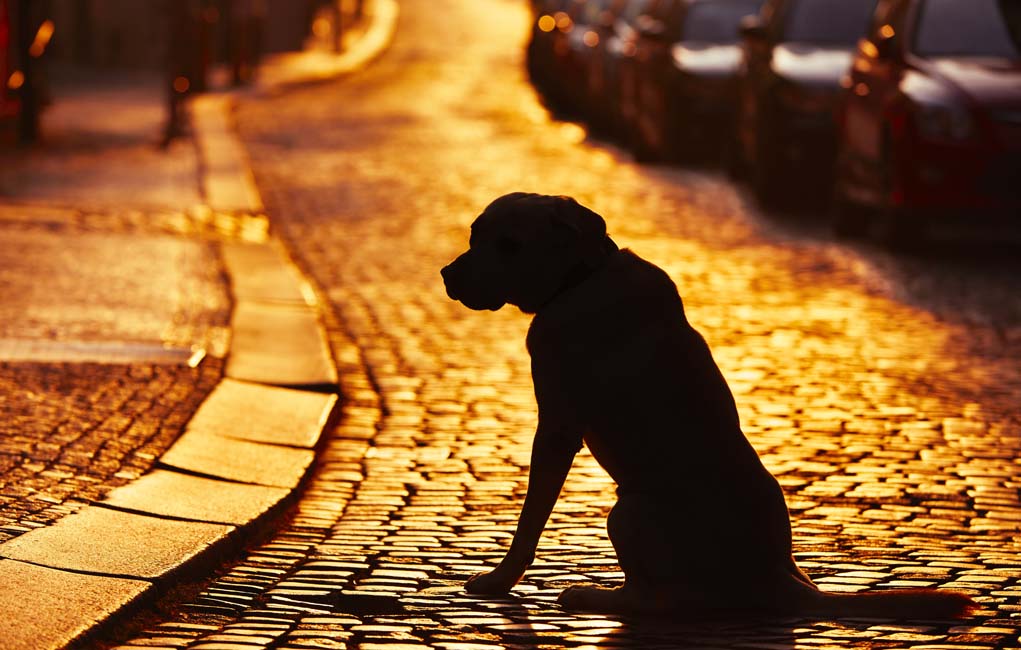
Dogs that act out their predatory instincts may become fixated on chasing prey, cross safe boundaries, and lose their sense of direction.
They may enter unfamiliar areas and run for long distances before the “high” wears off, making it difficult for them to find their way back to their owner.
RELATED: What Would You Do If Your Dog Got Lost?
Traffic and Environmental Hazards
During a chase, dogs tend to hyperfocus on their prey and pay little attention to their surroundings.
A dog in pursuit of wild animals may run into busy roads, leading to traffic or vehicular accidents that may endanger your dog, the driver, and pedestrians.
They may also run off into unfamiliar terrain and fall off cliffs or into fast-moving water.
Legal and Ethical Concerns
Studies claim that humans with dogs are more detrimental to wildlife than those without.
Canines are considered predators in the wildlife, and their presence can cause animals to move away from their habitats. They also affect wild animals' activities, stress levels, and quality of life.
Because of this, several federal and state laws protect wildlife from disturbance or hunting, require leash laws for dogs, and heavily regulate game hunting with dogs, especially during off-seasons.
Dog owners may also be fined or held liable for their dogs' behavior, especially for injuring or killing endangered animals protected by the Endangered Species Act (ESA) or for causing a public nuisance.
Some state laws even grant wildlife conservation or peace officers the authority to neutralize dogs found harassing or injuring wildlife, in addition to the fines and damages the owner must face.
RELATED: 8 Laws All Dog Owners Should Be Aware Of
Signs Your Dog Is About to Chase
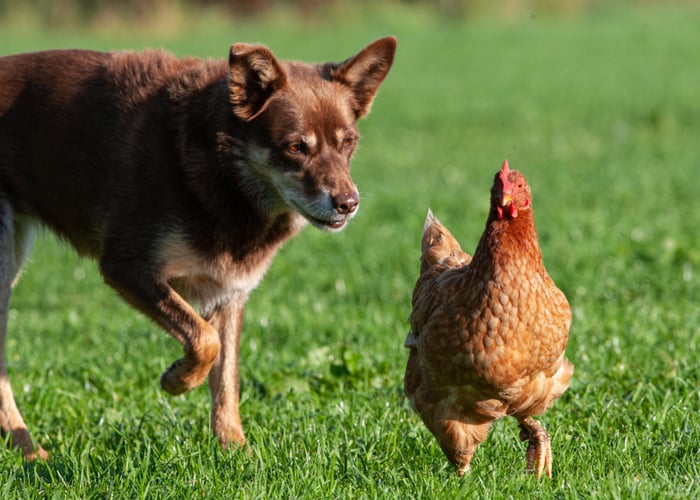
Learning the telltale signs that your dog is about to go off after animals or moving objects will help you intervene early!
- Stiff posture
- Intense staring and wide eyes
- Ears forward
- Tail and hackles raised and still
- Sudden silence or focus
- Slow stalking movements (lowers its body, shoulders, or head closer to the ground, moving slowly and cautiously)
- Drooling or chattering teeth
- Ignoring commands
- Sudden acceleration
7 Proven Ways to Stop Dogs From Chasing Wildlife
1. Teach a Reliable Recall Command
The first step in stopping dogs from chasing wildlife is teaching them the recall command.
This command, often triggered by words like “come,” “here,” or a whistle, teaches a dog to return to their owner instantly from a distance, regardless of distractions.
Make sure to use high-value rewards to encourage your dog to listen and obey.
Start this indoors, then gradually increase the challenges.
 2. Master the “Leave It” Command

Another command that goes hand in hand with the recall command is “leave it.” This will train your dog to disengage from any distractions on cue.
A trained dog that hears the “leave it” cue will stop the chase before it even starts, and will redirect its attention to you.
You can begin the training by holding a low-value treat in a closed fist, then say “leave it,” as they try to get it. When they do, give them a high-value treat as a reward.
You can increase the difficulty by opening your palm, then placing the treat on the floor, and then distracting them with moving items.
3. Practice Impulse Control Exercises
A dog's impulses are naturally very strong. They are instinctive creatures; they struggle to resist whatever catches their interest.
The good news is that impulse control in dogs can be taught.
Here are some simple exercises you can do at home:
- Sit and wait before meals
- Stay before going outside
- Delayed reward games
4. Redirect Their Energy
This is another fundamental training skill that a dog should learn. By redirecting their energy, you are teaching them to focus on a more appropriate activity rather than undesirable behavior.
For example, instead of chasing, you can encourage them to play fetch, tug-of-war, or other structured, safe, and fun activities to expend their energy.
Training to redirect their attention and excess energy involves a mix of physical exercise, mental stimulation, and consistent behavioral redirection, so that when your dog encounters a highly irresistible trigger, like a running animal, they will know how to let the urge pass by engaging in other activities instead.
 5. Avoid High-Risk Areas Early On

If possible, limit your dog's exposure to heavy wildlife zones until their training improves.
This is not only to minimize the chance of their encountering wild animals, but also to reduce their risk of contracting diseases.
Not only that, but dogs also have predators in the wild, especially small breeds. Their common predators include coyotes, wolves, cougars, bears, and even large birds of prey such as hawks and owls.
You can only safely explore these areas if your dog is well-trained enough to keep their instincts from overriding learned behavior.
6. Reinforce Calm Behavior Around Wildlife
At this point, your dog should ideally have mastered “come,” “leave it,” and redirection.
When they do, you can gradually expose them to wildlife. Let them observe animals from a distance, but be wary of behavioral and physical signs that they're about to bolt.
Make sure your dog is wearing a leash and a harness, too.
When they notice the animal but do not chase, praise and give them treats to reinforce that good things can happen when they don't act on instinct.
7. Be Consistent With Training
Technique, fancy tools, and good intentions are nothing if the training is not consistent.
To prevent a dog from chasing wildlife, daily practice is key to long-term success. The whole family's involvement is also key to reinforcing the desired behavior in whatever setting.
As your dog masters the commands at home, gradually increase the difficulty by moving closer to the trigger or adding more distractions.
Tools That Can Help Prevent Chasing
Some optional but useful additions you can use to help train your dog to stop chasing at moving wildlife are:
- Front-clip harness
- Long leash (15–30 ft)
- Treat pouch for quick rewards
- GPS trackers
- Secure collars or martingales

FAQs
Why do dogs pull on the leash during walks?
Dogs naturally walk faster than humans and are motivated by exciting sights, smells, and movement.
If pulling gets them where they want to go, the behavior is unintentionally reinforced.
Consistent loose-leash training and proper equipment can help reduce pulling.
RELATED: How to Stop a Dog from Pulling on Leash
Can certain dog breeds be trained to be safe off-leash?
Some breeds with strong recall and lower prey drive are generally more reliable off-leash, but no breed is automatically safe without training.
Even well-trained dogs can be distracted by wildlife or sudden stimuli. Off-leash freedom should be allowed only in secure areas and after solid recall training.
What is the best age to start training a dog?
Training can begin as early as 8 weeks old, focusing on basic commands and socialization. Early, positive experiences help shape long-term behavior.
However, dogs of any age can learn with patience and consistency.
Stop Dogs From Chasing Wildlife: Before You Go…
The best way to stop a dog from chasing wildlife is through proper and consistent training. The key strategies to focus on are recall training, impulse control, redirection, and gradual exposure.
Once your dog has mastered all these, you can rest assured that every wildlife encounter won't be as dangerous for your dog or as stressful for you.
Do you want to read more articles about dog training? Check out our recommended articles below!