
I'm sure many dog owners with backyards can relate to this problem.
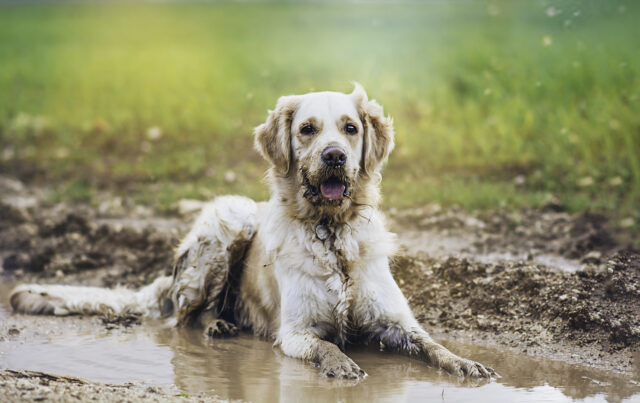
High-energy dog, running around the yard, digging, and wearing down your beautifully manicured lawn grass. Then rain comes (or any form of water), and voila, a giant mud pit in the backyard.
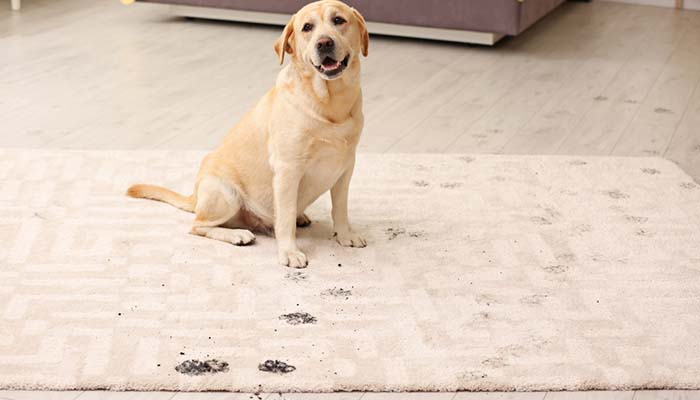
Of course, your dog will track mud indoors, too.
Muddy yards are a common issue for dog owners, leading to dirty paws, damaged grass, and constant cleanup.
Good thing there are practical, affordable solutions for muddy yards that can transform your space!
In this guide, we'll talk about causes, quick fixes, and long-term solutions, so you don't have to endure all that mud again at home.
Why Do Yards Become Muddy With Dogs?
Dogs benefit greatly from living in a house with a yard. They can conduct all their outdoor business safely within the fence.
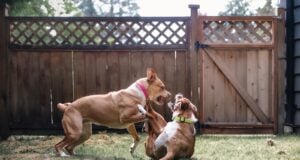
However, dogs contribute a lot to creating a muddy puddle in the yard. Dogs are creatures of habit. They tend to run in the same track, play in the same area, patrol the fence lines over and over again, and dig—lots of digging.
This high, constant activity breaks down the turf and exposes the soil to rain, which then transforms it into mud pits.
Mud can also form in yards with poor drainage, a lack of grass or ground cover, and frequent rain or watering.
Why You Need Muddy Yard Solutions for Dogs
Dogs love mud, especially on hot days! They satisfy their natural instincts to roll and mask their scents in mud pits; a bonus is that mud helps them cool down, too.
However, while dogs may find mud fun to play in, it can also raise concerns about health and cleanliness.
Bacteria and parasites love to lurk in the mud, especially when it's contaminated with floodwater, sewage, or animal waste.
Constant exposure to mud may increase your dog's risk of leptospirosis, tetanus, and gastrointestinal illnesses caused by harmful pathogens such as E. coli.
Muddy patches can also damage your lawn. It will cause patchy areas, soil compaction, and erosion.
And of course, a muddy yard means muddy paw prints on your floor and furniture, which will need constant cleaning. Nobody wants that!
RELATED: How to Clean Dog Paws After a Walk
10 Effective Muddy Yard Solutions for Dogs
1. Improve Yard Drainage
This one you can DIY, as shown in the video below.
A French drain is a gravel-filled trench with a perforated pipe that redirects water flow away from a specific area.
You can dig a 12- to 24-inch sloped trench, line it with landscape fabric, then add a perforated pipe with holes facing down, fill the trench with gravel, and cover it all with grass.
2. Add Gravel or Stone Pathways
If you notice a bald patch of grass where your dog often runs, you can add gravel or stone pathways there.
These are durable solutions for managing high-traffic dog areas, preventing their toes from getting muddy, and protecting the surrounding landscape.
Pea gravel or flagstone will also allow drainage, reduce the mud, and provide a comfortable surface for dogs to run or play in.
 3. Use Artificial Turf

No soil = no mud!
Artificial turf does not require soil, and its porous backing and drainage base allow water to pass through quickly rather than turning into a soggy mess.
Don't worry; your dog will adapt to artificial turf, too, and may even treat it the same way they do natural grass.
There are pet-friendly artificial grasses that are soft, more paw-friendly, and durable enough to withstand a dog's digging, zoomies, and roughhousing.
Bonus: they're low-maintenance, too!
4. Install Mulch or Wood Chips
Mulch and wood chips are permeable, absorbent barriers that can prevent or reduce mud by covering bare soil and aiding in drainage.
They're budget-friendly and easy to apply; you'll only need to spread about a 2- to 4-inch-thick layer over soil. If you have plants, keep them about 3 inches away from the stems to avoid rotting. For maintenance, just reapply them annually to keep the thickness.
However, mulch or wood chips are not without risks, especially for dogs.
Cedar, pine, hemlock, and cypress mulches are generally considered non-toxic to dogs, while cocoa bean mulch, rubber pine mulch, large pine bark nuggets, and dyed or treated mulch are a no-no.
5. Create a Designated Dog Run
A dog run is a secured, fenced-in area in your backyard designed to let your dog exercise, play, and roam freely within a designated space.
The space is often long and narrow, allowing a dog to run without constant supervision, and typically features durable surfaces such as gravel or artificial turf to prevent it from turning into a mud pit.
This way, the mess caused by your dog's high activity will be contained to a single area, protecting the rest of your yard.
If your dog doesn't mind being tethered while running around, you can also try this unconventional dog run that our team member built for her yard.
RELATED: How To Make A DIY Dog Run for Any Yard
6. Plant Dog-Resistant Grass
Planting highly durable, wear-resistant grass types is also one of the best solutions for muddy yards for dogs. Not only do they look good, but they also feature deep roots, high density, and are quick to recover
Some examples are Bermuda grass (for warm climates) and Tall Fescue (for cool climates). They can survive heavy, active dogs and can resist damage better than other grass types.
Also, if you're planting flowers in the yard, make sure to choose non-toxic options for dogs! Avoid the flowers in this list: Flowers Toxic For Dogs: 10 Beautiful Plants That You Should Look Out For.
7. Add Raised Garden Beds or Borders
Adding raised beds or borders creates a physical barrier that prevents dogs from digging, running, and playing in your yard, helping prevent mud.
These structures will manage your dog's paths, allowing you to set up better-draining materials in muddy, high-traffic areas.
Got an insistent dog that no raised beds or barriers can hold off? Try spraying them with dog-safe deterrent sprays!
RELATED: 3 Homemade Dog Repellent Spray Recipes
8. Use Ground Cover Plants
Not only do ground cover plants look good, but they also help suppress weeds, stabilize the soil, and protect the surface from heavy rains.
Ground cover plants prevent mud by reducing soil erosion, increasing water filtration, and minimizing surface runoff.
Some dog-safe options include clover, creeping thyme, frog fruit, horseherb, and buffalo grass. They are also pretty durable for foot traffic!
9. Rotate Yard Access
This is more of a practice rather than an addition to your yard.
You can limit your dog's access to certain areas for a set period to allow them to recover.
Rotating yard access is also done by backyard chicken keepers, as flock birds are known to create bald spots and dust-bath craters that can form a mud pool!
You can do this for your dog by dividing the yard into zones with specialized barriers, such as movable garden stakes or wires. Let your dog use Zone A for a week or two, then switch to Zone B while the other zone recovers.
This is also an effective way to manage multiple dogs at home who cannot be together for various reasons. You can let them roam in different zones of the yard, or let one roam while the other stays in a crate, called the “Crate-and-Rotate” strategy.
10. Install a Drainage Mat or Pavers
Installing drainage mats or pavers near your entrance can also help manage mud in your yard and prevent dirt from entering the house.
By keeping the soil separated from the gravel, drainage mats prevent muddy ruts
Drainage mats separate the soil from the gravel, which helps prevent muddy ruts.
Moreover, pavers not only look aesthetically pleasing but also transform waterlogged, unusable areas into firm, functional, and dry landscapes.

How to Keep Dogs Clean in a Muddy Yard
Whether you have a muddy yard or not, learning how to keep dogs clean after a walk is always important for health and hygiene!
You can set up a dog cleaning station before entering the house. It will be easier if you have a mud room, but if not, having an outdoor hose or a paw washer near the entrance is enough.
Placing doormats and towels at entry points will also help clean your dog's paws before entering the house. You can check out our top-rated dog mats for muddy paws here.
Teaching your dog the “wait” command will also come in handy, as they will learn to pause near the door before entering or exiting.
Not only will your dog learn NOT to bolt outdoors, preventing accidents, but it will also teach them to wait as you clean up their paws before sprinting inside.
And lastly, keep their paws trimmed to reduce mud buildup.
You can learn more tips and tricks for keeping your home clean after dog walks in this article: Mud, Dirt, Debris and Dog Walking: 8 Tips for Keeping Things Clean.
Muddy Yard Solution for Dogs: FAQs
How can I stop my dog from digging in the yard?
Digging is often driven by boredom, excess energy, or natural instinct.
Make sure your dog gets enough daily exercise and mental stimulation, and redirect digging to a designated area, such as a sand pit, if needed.
Supervision and positive reinforcement training help reduce unwanted digging.
RELATED: How to Stop a Dog from Digging
What is the best type of grass for dogs?
Durable, resilient grasses like Bermuda, Kentucky bluegrass, and perennial ryegrass tend to withstand foot traffic and urine.
The best choice depends on your climate and soil conditions. Proper lawn maintenance also improves the grass's durability.
How often should I clean my dog’s paws?
Wipe your dog’s paws after walks, especially if they’ve been on muddy, salted, or chemically treated surfaces.
Regular cleaning helps prevent irritation and reduces dirt tracked indoors. A gentle rinse or pet-safe wipe is usually sufficient.

Before You Go…
Combining short-term fixes with long-term planning will lead to the best results.
These muddy yard solutions for dogs will also benefit the family in the long run. A clean yard means less mess indoors, a healthier environment for your kids and dog, and a more enjoyable outdoor space for everyone!
As long as you focus on improving drainage, adding durable ground cover, and managing your dog's activities, you can transform your backyard into a haven for the whole family.
Read more of our recommended articles linked below!