

So many dog supplies on the market today are designed to make your and your dog’s lives easier.
Unfortunately, some of these products miss the mark, and pet owners end up having so much trouble using them that they become a complete waste of money.
Having tested hundreds of dog supplies firsthand here, today we're listing 18 dangerous dog toys, chews, treats, and other products that most other pet owners and we experienced problems with (some life-threatening or even deadly).
18 Dog Supplies to Beware Of!

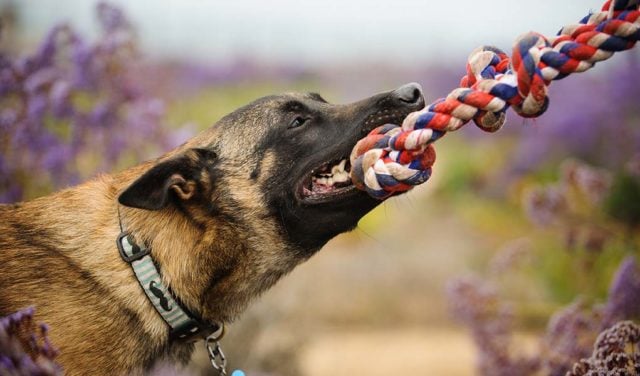
1. Rope Tug Toys
Rope tug dog toys are popular and easy to find, but why do so many pet parents have problems with them?
The first problem is fraying. As rope toys are played with, they begin to fray, and threads get stuck between your dog’s teeth or get ingested, resulting in serious health problems.
The second issue with rope tug toys is joint damage.
As your dog tugs on the rope toy, their body jerks back, which can worsen joint injuries or arthritis in the neck or spine. This is especially dangerous for senior dogs or those prone to arthritis, hip, or joint problems.
Lastly, rope tug dog toys encourage competitive play that can quickly get out of hand and result in accidental injuries. It's best to skip rope dog toys altogether; instead, choose interactive dog toys like Hide-a-Squirrel or those by Nina Ottoson to stimulate your dog’s mind and avoid these problems.

2. Retractable Dog Leashes
Retractable dog leashes might seem convenient (especially when it’s raining), but many pet parents have had problems with these tools of “convenience.”
The first problem is the leash's lack of strength. Retractable leashes use thin belt leashes that have small attachment points that are prone to breaking.
Dogs regularly break free from retractable leashes, particularly when startled or excited by things like squirrels.
The second common problem with retractable leashes is owner injuries.
When dogs get excited or startled and jerk forward, owners instinctively grab the leash to stabilize the dog. When this happens, the belt leash keeps moving forward and can cause burns and abrasions on your hands.
Stick with a traditional dog leash and avoid retractable leashes to avoid problems.

3. Toys with a Single Hole
One of the most dangerous dog toys noted to date is the KONG Beast ball. The ball section of this toy for tough chewers features just one hole for airflow, which allows the toy to return to its normal shape after being squeezed during play.
The problem, however, is that with only one hole, the toy can easily suction onto your dog’s tongue or mouth without releasing.
Dogs have died from playing with this toy. Since it came to light, pet product companies and pet parents have become more aware of this danger, but it’s still important to watch for these types of toys in your dog’s toy box.
When you invest in dog toys with “air holes,” make sure there are multiple holes to prevent suction from becoming a problem, and always supervise play. KONG has discontinued the dangerous toys and offers many better options instead.
4. Nylabones
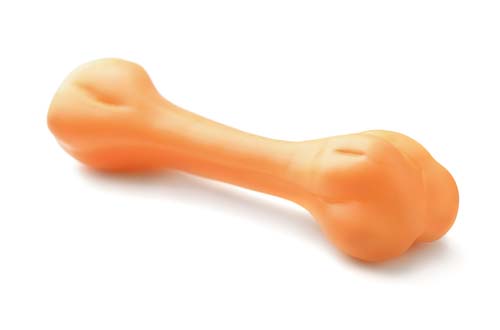
There is some controversy over Nylabones, and many pet parents report problems after giving these toys to their dogs.
The biggest concern with these nylon-based toys is that they are exceptionally hard and can quickly cause dental damage. Common problems from Nylabone dog toys include chipped, cracked, and broken teeth, with numerous reported cases.
Another problem with Nylabone dog toys is that pet owners may think it’s fine for pieces to be ingested because they're chew toys, but that isn’t true. While some dog chews are designed to be ingested, many Nylabones shouldn't be. Ingesting pieces of Nylabone toys can cause gastric upset, intestinal blockage, or intestinal puncture, which can be fatal for dogs.
To be safe (unless you can always supervise your dog), you can skip Nylabone dog toys completely and opt for safe dental dog chews instead, or size-appropriate raw lamb marrow bones as an alternative.

5. Cooked Bones
Cooked bones are available at pet stores and grocery stores, but they're among the most dangerous things you can give your dog.
As bones are cooked, they become weaker and more prone to fracturing. The weakened bone is then put under pressure as your dog chews it and cracks, causing small fragments to break off. Your dog can ingest these small sharp pieces and wind up with an intestinal puncture, abrasions, or other damage. When these bones break, they can also damage your dog's teeth and mouth.
Don’t buy cooked or sterilized bones for your dog; instead, choose size-appropriate raw lamb marrow bones or similar alternatives.

6. Rawhide (Particularly Chips)
Rawhide is another common chew, but it’s also extremely dangerous for dogs and has already drawn a lot of controversial press. While some rawhide chews may be fine under supervision, there's really no reason to buy them.
The first concern with rawhide is what it’s made from. Rawhide comes from the inner layer of animal hide. It is cleaned, cut, ground, chemically treated, and pressed. By the time rawhide chews reach your dog, they contain chemical ingredients that are never meant to be ingested.
The second concern with rawhide is that as your dog chews it, pieces become slippery and can easily cause choking. The worst culprit for choking is rawhide chips, which many dogs attempt to fit into their mouths whole.
Eliminate rawhide from your dog’s treat selection immediately and choose size-appropriate raw lamb marrow bones instead or other alternatives.

7. Pig Ears
Pig ears might seem like a “natural” chew for your dog, but like rawhide chips mentioned above, they're easy to swallow or choke on. Even when your dog chews up a pig's ear and swallows the pieces, they are very hard to digest and are often vomited back up.
Not only is vomiting unpleasant for everyone involved, but if pieces of the pig's ear have sharp edges, they can cause damage to the dog's esophagus or intestines when eaten or vomited up. Skip pig ears and choose dog-safe treats instead, or vet-recommended organic, healthy treats.
8. Toys Made Outside of the USA
When it comes to quality control of pet products, toys that are made outside of the USA are subject to more lax regulation, the exact same thing that happens with pet foods, which were discussed many times before.
This becomes a problem when toxic substances are used in dog toys made in China or elsewhere. These substances can include lead, chlorine, arsenic, and bromine, all of which can contribute to health problems. Avoid these dangerous dog toys by buying toys from reputable companies, especially those made in America.
9. Treats Made or Sourced Outside the USA
As with dog toys made outside the United States, dog treats made or sourced outside the U.S. are not subject to strict quality control guidelines. This has resulted in widespread treat recalls in the past, as pets have experienced everything from liver and kidney damage to death.
Always check where your dog’s treats are sourced and made, and avoid treats made in countries like China, where quality control is lax. Here's a list of USA-made dog treats that most pet owners and veterinarians will recommend.

10. Cow Hooves
Cow hooves are another chew many pet parents choose because they’re natural, but they pose a considerable risk to your pup in a similar way pig's ears do.
The first concern with cow hooves is that your dog can damage its teeth when it bites down on the hoof. Dental damage is common, painful, and requires expensive veterinary intervention to remedy, which will be costly.
A second concern, though less common than tooth damage, is jawbone splintering from biting down aggressively on hooves. It's best to avoid cow hooves altogether and opt for safe dog dental chews or appropriately sized raw lamb marrow bones.

11. Tennis Balls
Tennis balls don’t sound dangerous, and certainly enough people give them to their dogs to play with, so what’s the problem? One concern has been the smaller size of some tennis balls designed for smaller dogs. When larger dogs get hold of these balls, they can swallow them or choke on them.
Of bigger concern, however, is the exterior coating of a tennis ball. As your dog chews on a tennis ball or strips off the neon yellow coating, they can swallow those pieces and experience tummy upset.
If tennis balls are imported from questionable sources, the fuzz may also contain traces of toxic chemicals like lead that can cause a range of side effects.
If you want to play ball with your pooch, use dog toy balls that are constructed specifically for pet play and will be safe for your dog, such as famous Chuck-It, KONG, or other brands.

12. Vinyl Dog Toys
Vinyl contains phthalates, a compound linked to liver, kidney, and cell damage in animals. This becomes a problem not only because your dog may consume pieces of a toy while playing, but also because, as they play with the toy unbroken, they inhale phthalate fumes.
This inhalation then causes chemical concentrations to build up in the bloodstream and contribute to the side effects noted above. It is commonly said that the stronger the smell of a vinyl toy, the higher the concentration of phthalates is in that dog toy.
This is not an accurate indicator of a toy's safety; instead, avoid vinyl toys altogether to prevent any exposure of your dog to phthalates.
Keep away from all vinyl toys and opt instead for toxin-free chew toys made in the USA.
13. Tether Tug Toys
Tether tug toys for dogs feature a pole fixed in the ground with a tug toy attached to the top. The pole anchors the toy in the ground, letting dogs tug aggressively without worrying about the person on the other end. This might sound like a good outlet for your dog and a relief for your arm, but tether toys can cause a range of problems for your pup.
From “simple” dental damage from tugging too hard or hanging off the tug toy to vertebral damage from violent tugging or shaking. It's best to avoid tether tug dog toys altogether and opt for safer outdoor play toys like Jolly Balls or something similar.

14. Frisbees
Flying disc toys are plentiful, but what your dog’s Frisbee is made from matters. Some discs are made from rubber-like materials that are soft and safe for your dog to play fetch with (but not chew). Flying disc toys for dogs are also made from hard plastic, which is not safe for your dog to play with.
When you throw this type of disc, your dog may damage its mouth or teeth when it catches it because of the hard plastic construction. The disc can also crack when your dog bites down to catch it. If this happens, sharp plastic pieces can cut your dog’s mouth or damage their gums.
Stick with flying disc toys made with softer material to avoid splintering or breaking. Many safe Frisbee toys are fine for your pup to play with.

15. Rollerball Treat Sticks
Rollerball treat sticks are sticks of liquid flavoring that have a rollerball on the tip. These sticks provide “treats” during training without the calories that come with regular dog treats.
The problem with these treat sticks, however, is that many pet parents have had the rollerball pop off and pose a choking risk as their dogs tried to eat it, and veterinarians have warned about it.
Avoid these types of treat sticks altogether and stick with traditional treats. If calories are a concern, use low-calorie dog treats or even veggies like baby carrots; or, simply cut regular-sized treats into small pieces.
16. Everlasting Treat Toys
Similar to the rollerball treat sticks mentioned above, many dog owners have had a problem with the treat section of Everlasting Treat Toys pop out of the toy and pose a choking risk . You can see the warnings of this problem from pet owners in the toy's reviews right here.
This isn’t as much of a problem when the toy is unused, but as your dog wears down the treat in the center, it can more easily pop out and get swallowed. To avoid potential health problems, stick with traditional dog treats or stuff traditional toys like the KONG with treats such as all-natural peanut butter.

17. Cheap Dog Shampoos
Cheap dog shampoos may not seem like anything to worry about; after all, we use cheap shampoos ourselves, don’t we? Many pet parents disagree after their dogs have experienced everything from skin burns to discoloration and irritation from pet shampoos made with poor-quality ingredients.
You can avoid this by checking the ingredients in your dog’s shampoo and choosing an all-natural option instead. Here's a veterinarian's guide to dog shampoos and how to choose the safest option.

18. Traditional Nail Clippers (No Guard)
Dog nail clippers are a source of anxiety for many dogs and dog parents alike. This is not necessarily the result of a poor product, but usually the result of how complex the process can be – some dog owners are unable to use the dog nail clippers safely and well.
Your dog’s nail is structured so that traditional nail clippers often clip the quick. This causes bleeding and fear for both you and your dog, making grooming even more complicated.
You can fix this with dog nail clippers that have a built-in “quick-guard” to protect your dog’s quick from being nicked.
READ NEXT: 8 Cancer-Causing Dog Products (And How to Avoid Them)
Disclosure: We may earn affiliate commissions at no cost to you from the links on this page. This did not affect our assessment of products. Read more here and find full disclosure here.
Pin and share with other dog owners: